Introduction to Buddhist Cave Tourism
Buddhist cave tourism is an integral part of religious and cultural tourism development. It is designed to deepen the interest of admirers of Buddhist Dhamma and Buddhist culture by offering immersive experiences connected to faith, history, and heritage. This form of tourism includes sites that were once important centers of Buddhism, where visitors can experience cultural, historical, and spiritual significance along with breathtaking landscapes.
Buddhist cave tourism refers to the practice of visiting ancient Buddhist caves, which are among the most significant cultural and historical landmarks. These caves are generally located in regions where Buddhism once flourished, such as India, Sri Lanka, Nepal, and China.
Buddhist Cave Tourism in India
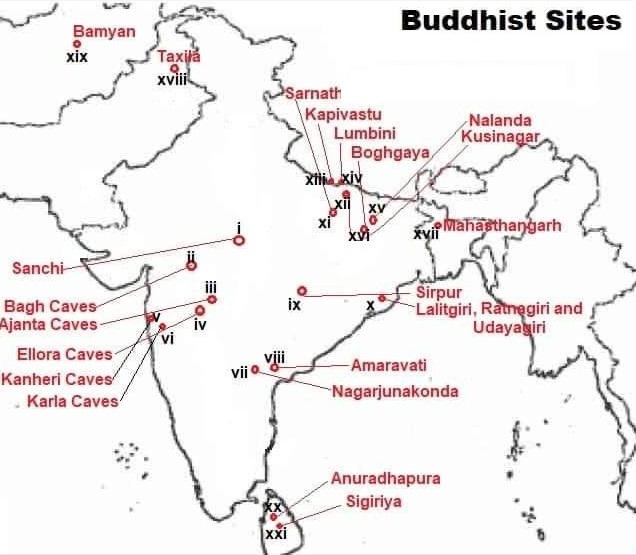
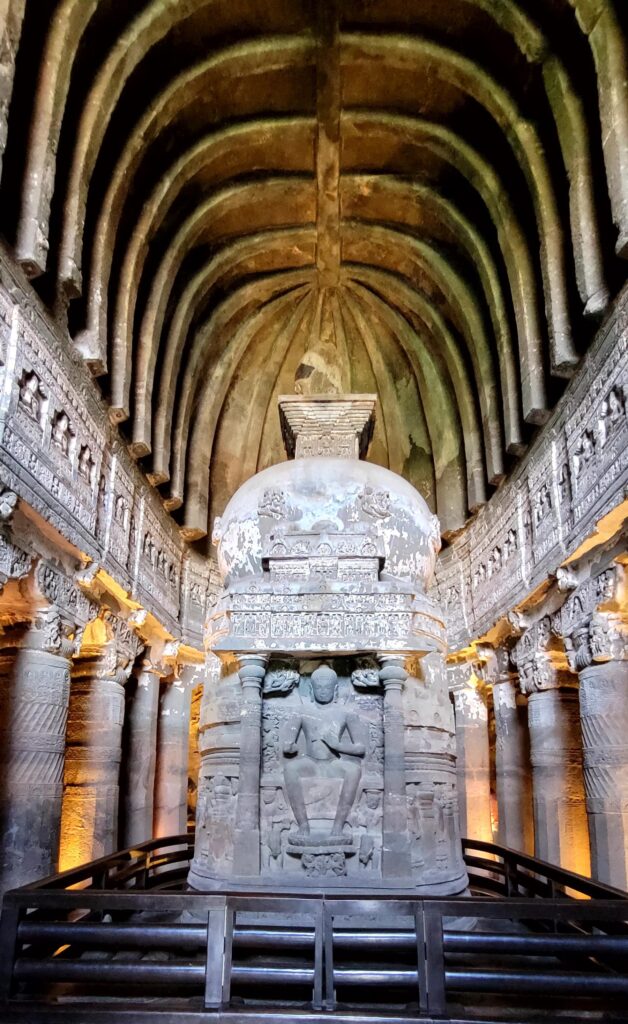
In India, Buddhist cave tourism is particularly prominent in Maharashtra, which is home to some of the country’s most important Buddhist cave complexes, including Ajanta and Ellora. These caves are renowned for their magnificent rock-cut architecture, sculptures, and murals that vividly depict the life and teachings of Lord Buddha.
Buddhist cave tourism offers visitors a unique opportunity to explore the rich heritage of Buddhism, understand its philosophy, and witness its influence on art and architecture. Visitors can participate in guided tours, meditation sessions, and prayer activities, allowing for a deeper spiritual and cultural understanding.
Economic and Cultural Impact
Buddhist cave tourism also contributes significantly to the local economy by generating employment and strengthening the tourism industry. The Maharashtra government, along with various stakeholders, is actively promoting and developing this form of tourism, ensuring its sustainable growth and long-term preservation.
Overall, Buddhist cave tourism is a vital aspect of cultural tourism, offering visitors an opportunity to explore and appreciate the profound historical and cultural legacy of Buddhism.
Top Buddhist Caves to Visit in Maharashtra
1. Ajanta Caves
Located in the Aurangabad district, the Ajanta Caves are a UNESCO World Heritage Site and among the most important Buddhist cave complexes in India. Dating back to the 2nd century BCE, these caves feature exquisite rock-cut sculptures and world-famous murals illustrating Buddhist themes.
2. Ellora Caves
Also located in the Aurangabad district, the Ellora Caves are a UNESCO World Heritage Site and a remarkable example of Indian rock-cut architecture. Built between the 6th and 10th centuries CE, the complex includes Buddhist, Hindu, and Jain caves, reflecting India’s religious harmony.
3. Karla Caves
Situated near Lonavala in Pune district, the Karla Caves date back to the 2nd century BCE. They are known for their grand chaitya hall, intricate carvings, and impressive Buddhist architecture.
4. Bhaja Caves
Located near Lonavala, the Bhaja Caves also belong to the 2nd century BCE and are famous for their early rock-cut architecture and serene Buddhist sculptures.
5. Kanheri Caves
Located within Sanjay Gandhi National Park, Mumbai, the Kanheri Caves are a vast complex of rock-cut caves and monasteries dating from the 1st century BCE. These caves showcase remarkable sculptures, inscriptions, and ancient water-management systems.
Exploring these ancient sites is an excellent way to understand the rich Buddhist history and cultural traditions of India.
Initiatives by the Maharashtra Government to Promote Buddhist Cave Tourism
The Maharashtra government has undertaken several initiatives to promote Buddhist cave tourism across the state:
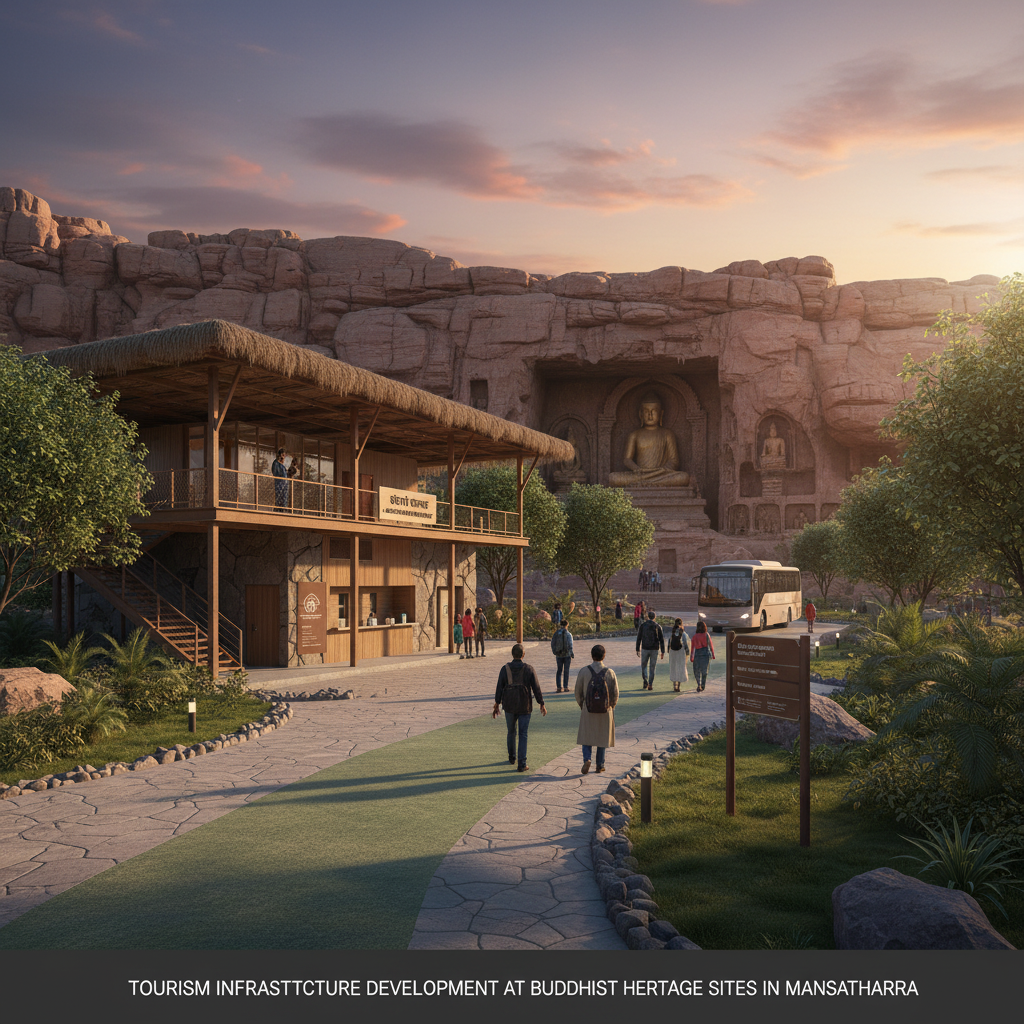
1. Development of Tourism Infrastructure
Facilities such as toilets, parking areas, pathways, and tourist information centers have been developed near major cave sites like Ajanta and Ellora.
2. Promotion of Heritage Tourism
The government has launched heritage tourism campaigns and collaborated with the Ministry of Tourism to develop tourism circuits that include major Buddhist cave sites.
3. Conservation of Buddhist Caves
Funds have been allocated for the conservation and restoration of ancient Buddhist monuments, sculptures, and murals to ensure their long-term preservation.
4. Training of Tourist Guides
Specialized training programs have been introduced for tourist guides to ensure visitors receive accurate, informative, and engaging interpretations of these heritage sites.
5. Development of the Buddhist Circuit
The “Buddhist Circuit” initiative aims to attract both domestic and international tourists interested in exploring India’s Buddhist heritage.
Career Opportunities in Buddhist Cave Tourism
A career in Buddhist cave tourism can be both exciting and fulfilling for individuals passionate about history, culture, and travel. Some key career options include:
1. Tour Guide
Tour guides lead visitors through Buddhist cave sites, explaining their history, architecture, and cultural significance.
2. Archaeologist
Archaeologists study and preserve ancient structures, sculptures, and paintings found in Buddhist caves.
3. Conservation Specialist
Conservationists focus on the restoration and protection of caves and their artworks.
4. Tour Manager
Tour managers plan and coordinate travel itineraries, accommodations, and logistics for visitors.
5. Historian
Historians research and document the historical development of Buddhist caves and monastic traditions.
A strong academic background in archaeology, history, tourism management, or related fields can be highly beneficial.
Future of Buddhist Cave Tourism in Maharashtra
The future of Buddhist cave tourism in Maharashtra appears promising due to continued efforts by the government and private stakeholders. Several factors support this positive outlook:
1. Growing Interest in Cultural Tourism
More travelers are seeking authentic cultural and spiritual experiences, making Buddhist caves increasingly attractive destinations.
2. Infrastructure Development
Improved connectivity, accommodation facilities, and visitor amenities are enhancing the overall tourist experience.
3. Digital Transformation
Digital initiatives such as virtual tours, augmented reality apps, and online booking systems are making these heritage sites more accessible.
4. Public-Private Collaboration
Private sector investments are helping develop tourism infrastructure and promote destinations globally.
5. Heritage Conservation
Ongoing conservation and restoration projects ensure the protection of caves while allowing sustainable tourism growth.
Conclusion
Overall, Buddhist cave tourism in Maharashtra holds immense potential. With rising interest in cultural tourism, infrastructure investments, digital innovation, and strong heritage conservation efforts, this sector is expected to attract more visitors and contribute significantly to the region’s tourism development.

Committed to research & conservation of Buddhist monuments that have a historical heritage of India.