Buddhist Culture: From Ancient India to the Present Day
Introduction
Buddhist culture has played a significant role in shaping the spiritual, philosophical, and cultural history of India. It originated in ancient India during the 5th century BCE, a period of profound intellectual and social change. During this time, Gautama Buddha emerged as a great teacher and philosopher whose message of compassion, wisdom, and liberation from suffering attracted a large number of followers across the Indian subcontinent.
Over the centuries, Buddhism developed not only as a religious tradition but also as a comprehensive cultural system. Buddhist culture refers to the customs, traditions, values, and ways of life that evolved around the teachings and practices of Buddhism. This culture spread far beyond India into Asia and other parts of the world, influencing art, literature, philosophy, architecture, education, and social norms. Today, Buddhist culture continues to remain relevant as a living tradition that addresses both spiritual and modern social concerns.
Core Principles of Buddhist Culture
At the heart of Buddhist culture lie the Four Noble Truths and the Noble Eightfold Path, which offer a practical framework for understanding suffering and achieving liberation (nirvana). These teachings guide individuals toward ethical living, mental discipline, and wisdom.
Buddhist culture also emphasizes universal values such as:
Compassion (Karuna)
Mindfulness and awareness (Sati)
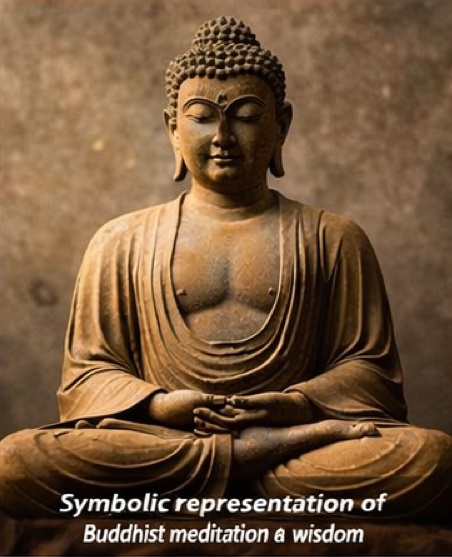
Meditation (Dhyana)
Generosity, patience, and wisdom
These principles shaped not only personal spiritual practice but also collective social behavior in ancient and modern Buddhist societies.
Buddhist Culture in Ancient India
In ancient India, Buddhist culture was a diverse and vibrant phenomenon that influenced nearly every aspect of life, including religion, philosophy, art, literature, and social organization.
1. The Sangha (Monastic Community)
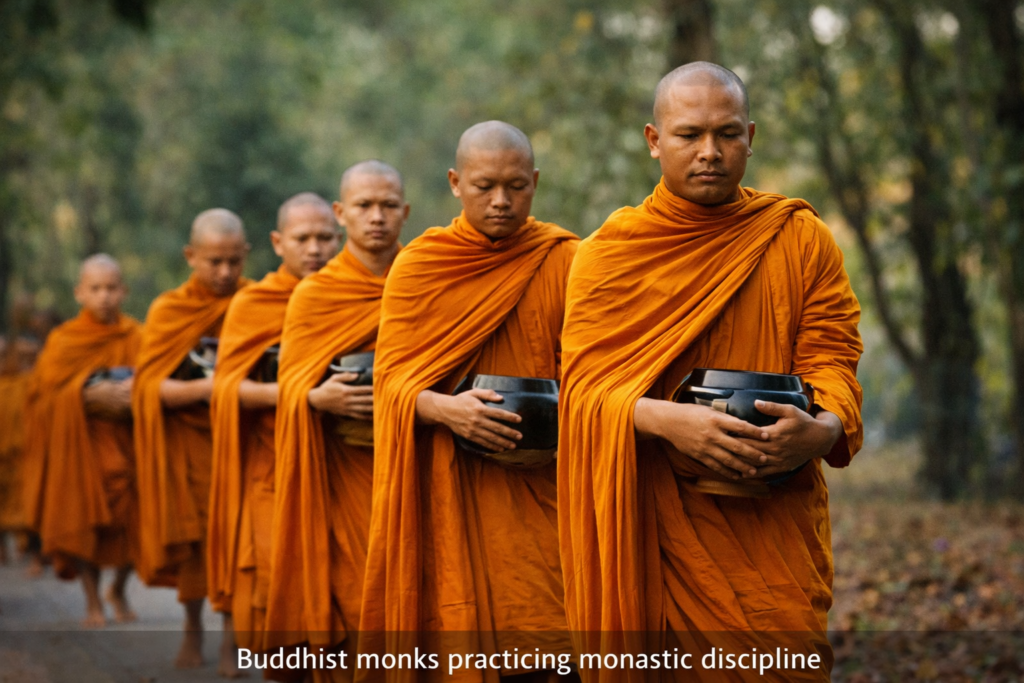
The Sangha was a crucial institution in Buddhist culture. It consisted of monks (Bhikkhus) and nuns (Bhikkhunis) who dedicated their lives to practicing the Buddha’s teachings and living a simple, disciplined, and ascetic life.
The Sangha played a vital role in preserving Buddhist teachings, educating society, and spreading Buddhism throughout India and beyond. It later became a model for monastic traditions across Asia, including Sri Lanka, Tibet, China, Korea, and Japan.
2. Buddhist Art and Architecture
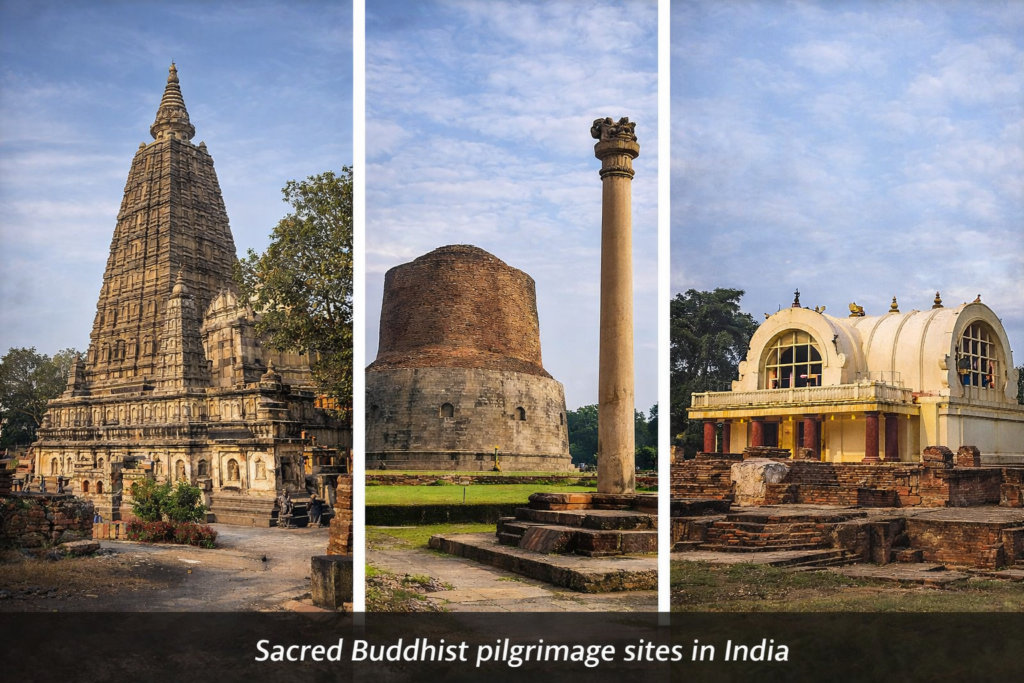
Buddhist culture found powerful expression through art and architecture. One of the most significant architectural forms was the stupa, a large dome-shaped structure built to house relics of the Buddha or other revered figures. Stupas were often richly decorated with carvings and sculptures and functioned as important pilgrimage centers.
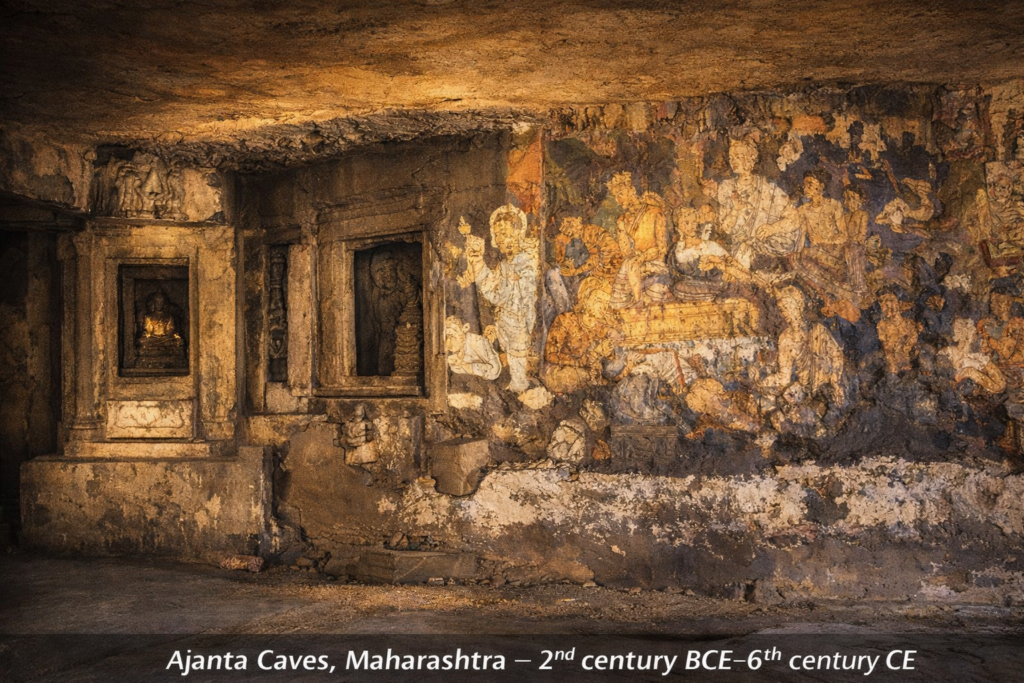
Another remarkable contribution was the development of rock-cut cave architecture, especially in western India. The Ajanta and Ellora Caves in Maharashtra contain some of the finest examples of ancient Indian art, including murals and sculptures depicting the life of the Buddha, Bodhisattvas, and scenes from Jataka tales.
3. Buddhist Literature
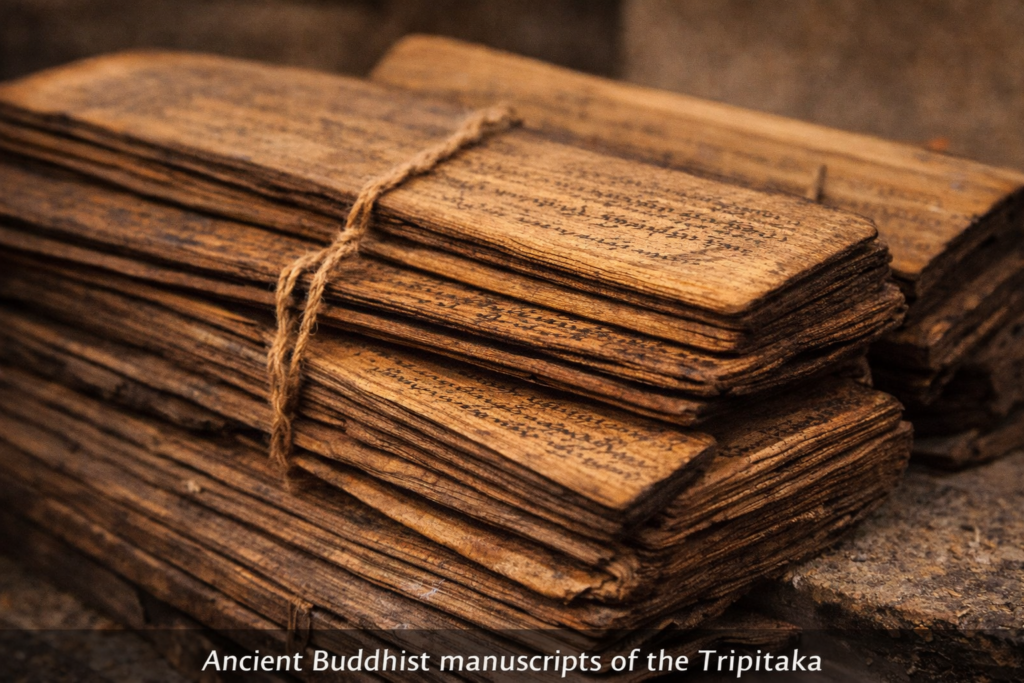
Ancient India witnessed the composition of many important Buddhist texts, most notably the Tripitaka (Three Baskets). This collection includes:
Vinaya Pitaka – rules for monastic discipline
Sutta Pitaka – discourses of the Buddha
Abhidhamma Pitaka – philosophical and psychological analysis
These texts preserve Buddhist teachings and were later translated into many Asian languages, helping Buddhism spread across continents.
4. Buddhist Philosophy
Buddhist philosophy occupies a central place in Indian intellectual history. It emphasizes concepts such as impermanence (Anicca), non-self (Anatta), and dependent origination (Pratityasamutpada).
The Buddha’s teachings stress ethical conduct, mental clarity, and wisdom as the path to enlightenment. Buddhist philosophy continues to influence modern thought, particularly in psychology, ethics, and mindfulness practices.
5. Social Norms and Gender Equality
Buddhist culture brought significant changes to ancient Indian social norms. One of its most progressive features was the inclusion of women in religious life. Women were allowed to join the Sangha and become Bhikkhunis (nuns), a revolutionary step in a society dominated by patriarchal norms.
This inclusion allowed women to take an active role in spiritual practice and contributed to greater gender equality in ancient India.
Cultural and Artistic Legacy
Buddhist culture has left a lasting imprint on architecture, sculpture, painting, and music. Buddhist temples and monasteries are often adorned with intricate carvings, statues of the Buddha, and vibrant murals.
Buddhist literature, including the Tripitaka and later texts such as the Diamond Sutra, continues to be studied and revered by Buddhists worldwide, shaping religious thought and cultural identity.
Major Buddhist Sites in India
India remains the spiritual homeland of Buddhism and is home to many sacred sites:
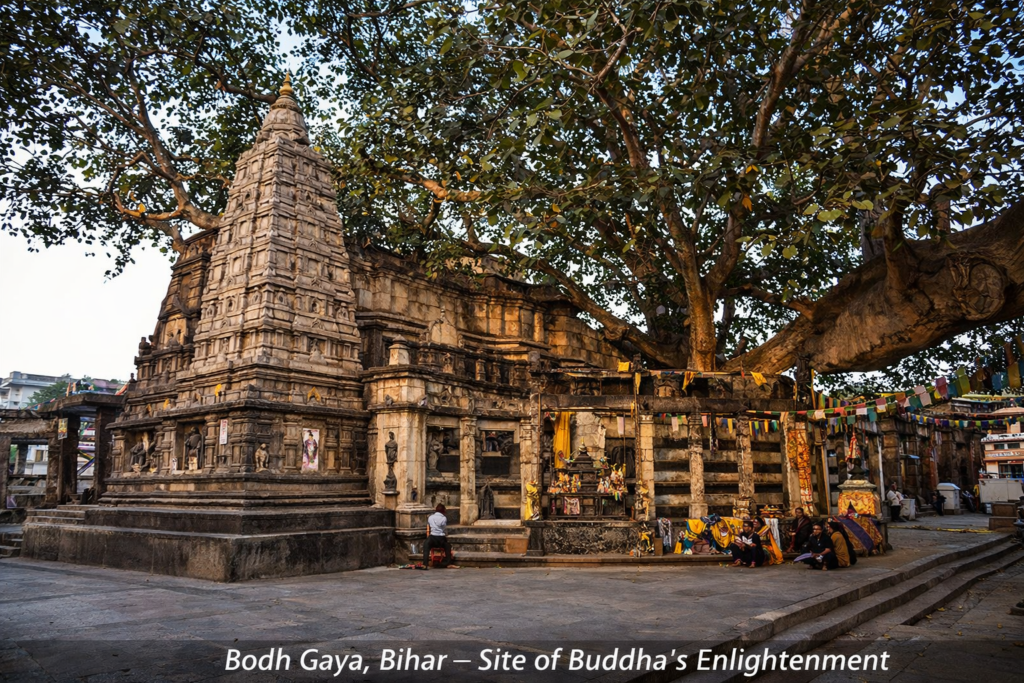
Bodh Gaya – where the Buddha attained enlightenment under the Bodhi Tree
Sarnath – where the Buddha delivered his first sermon
Kushinagar – site of the Buddha’s Mahaparinirvana
Rajgir – where many important teachings were given
Vaishali – an important center of early Buddhist activity
These sites continue to attract pilgrims, scholars, and tourists from around the world.
Buddhist Culture in the Present Day
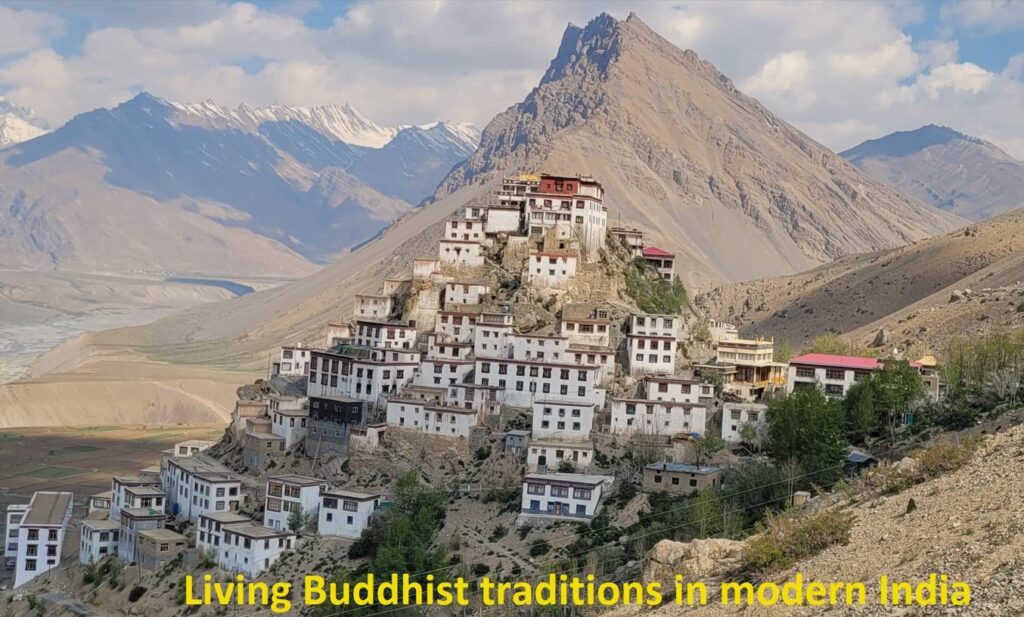
Buddhist culture is not limited to history; it remains a living and dynamic tradition in modern India and across the globe. Today, Buddhist values such as non-violence, compassion, mindfulness, and ethical living resonate strongly with contemporary concerns.
In India, vibrant Buddhist communities thrive in regions such as Maharashtra, Himachal Pradesh, Ladakh, Sikkim, Arunachal Pradesh, and West Bengal. Monasteries, meditation centers, and educational institutions preserve ancient rituals while also adapting Buddhism to modern life.
The global popularity of meditation and mindfulness, rooted in Buddhist philosophy, has brought renewed attention to Buddhism in fields such as mental health, education, conflict resolution, and environmental ethics.
In Maharashtra, the modern revival of Buddhism inspired by Dr. B. R. Ambedkar emphasized social equality, human dignity, and justice, reaffirming Buddhism’s relevance in contemporary society.
Conclusion
Buddhist culture represents a continuous civilizational tradition that bridges ancient wisdom and present-day relevance. From the monastic Sangha and magnificent cave monasteries of ancient India to modern Buddhist communities and global mindfulness movements, Buddhism remains a powerful cultural and ethical force.
Its enduring influence on philosophy, art, social values, and spiritual practice makes Buddhist culture an essential part of India’s cultural heritage and a meaningful guide for humanity in the modern world.

Committed to research & conservation of Buddhist monuments that have a historical heritage of India.