Mahabodhi – The Great Buddhist Temple Under the Bodhi Tree at Buddha-Gaya
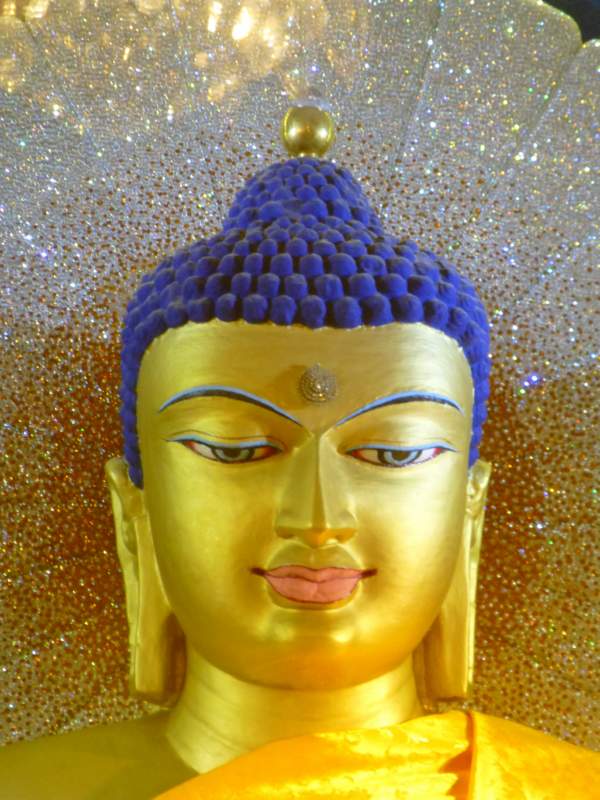
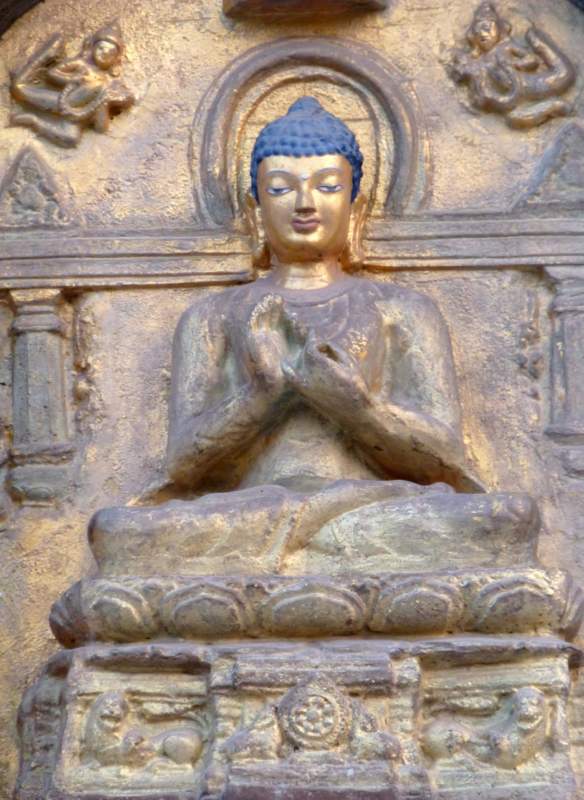
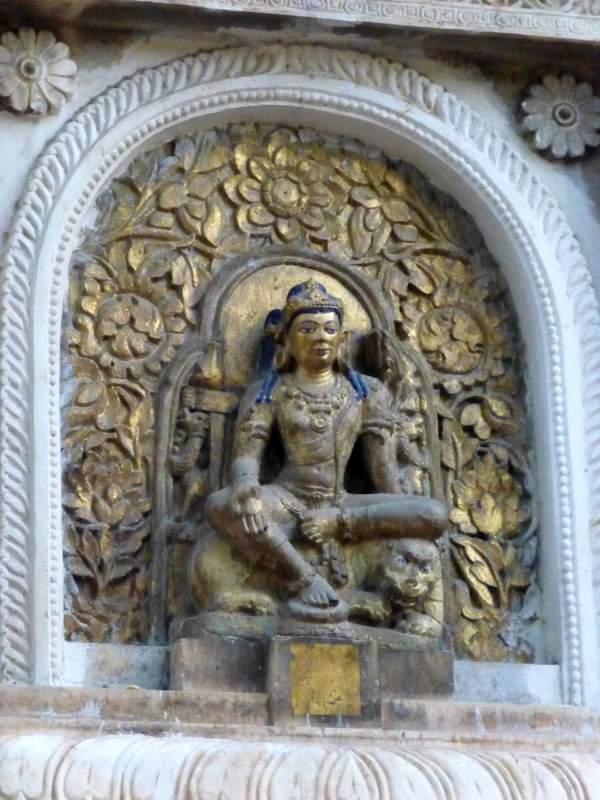
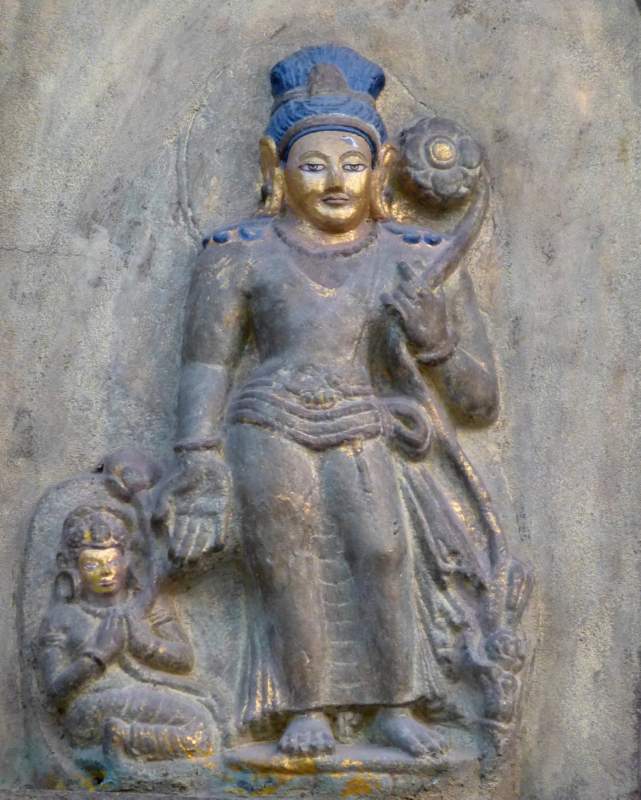
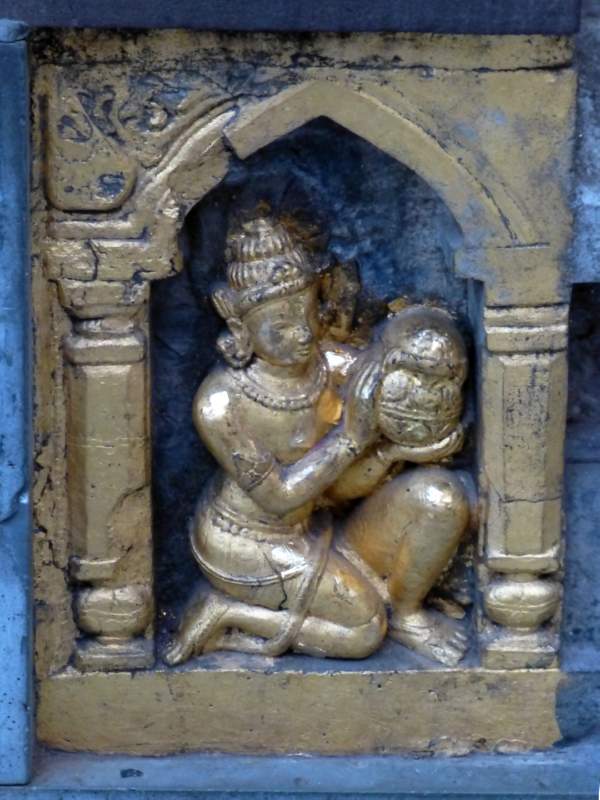
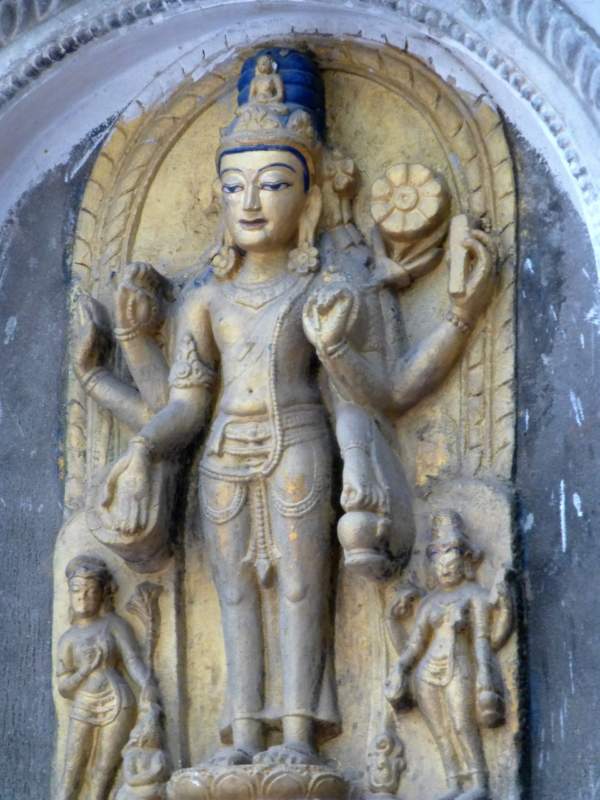
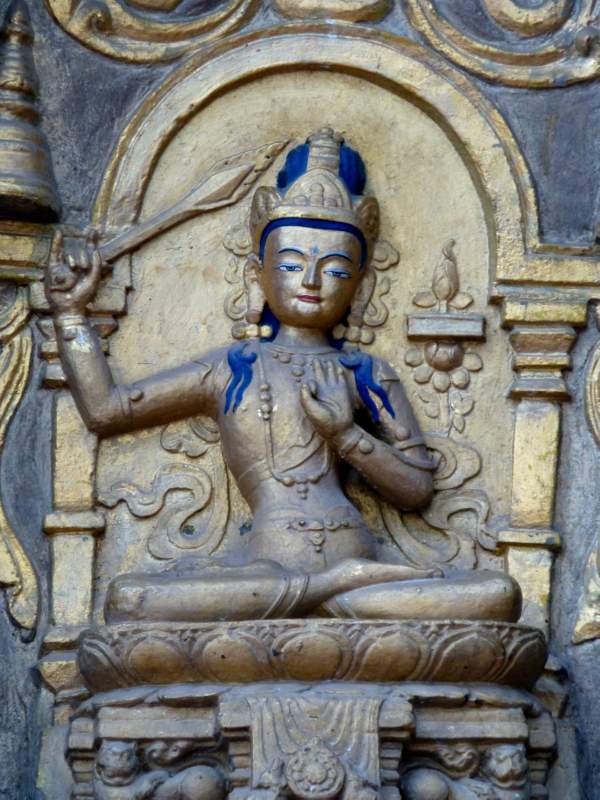
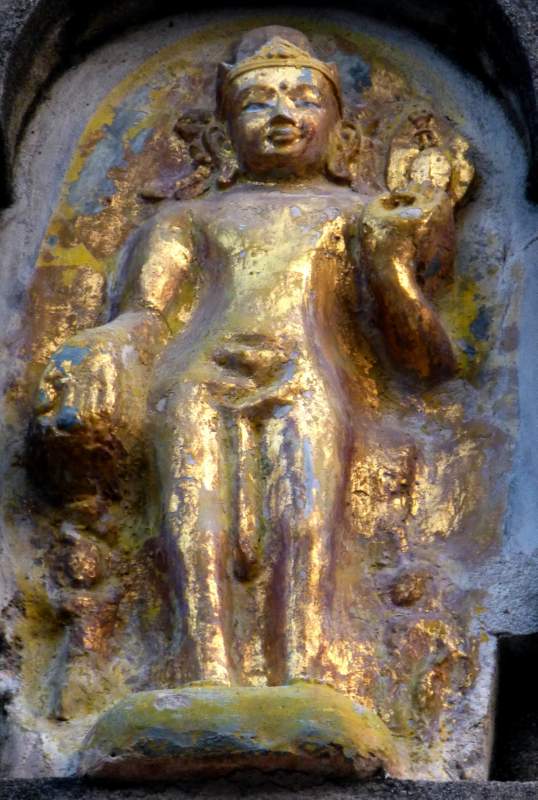
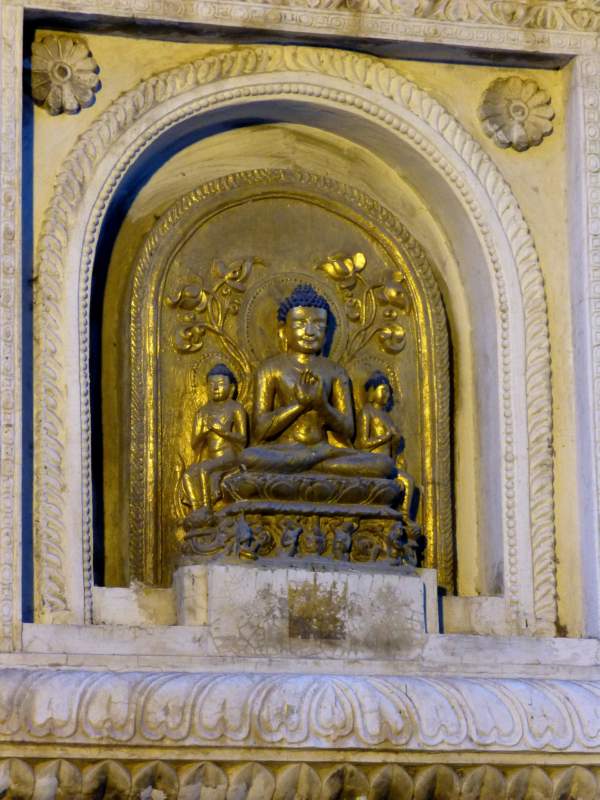
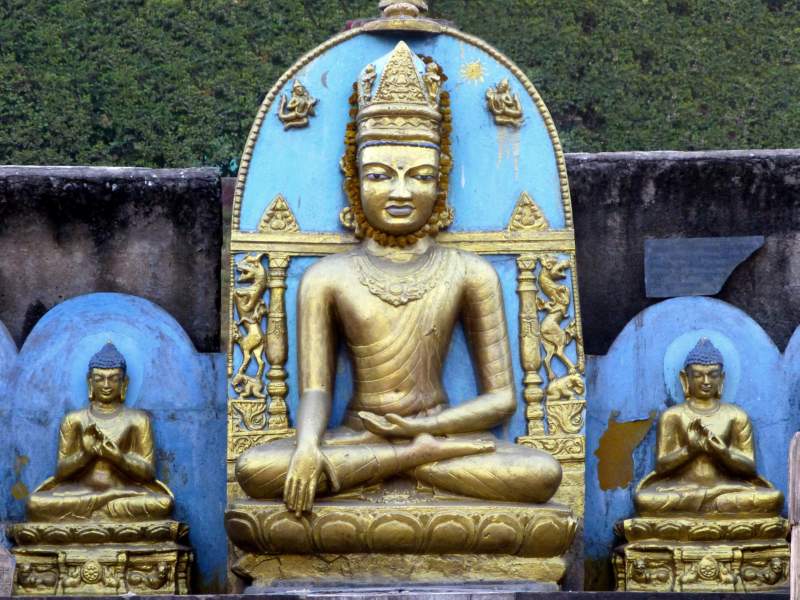
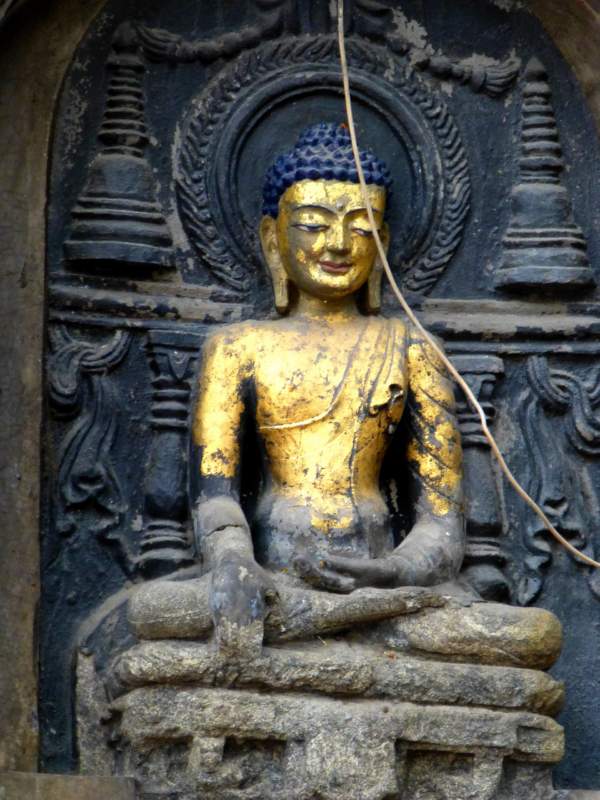
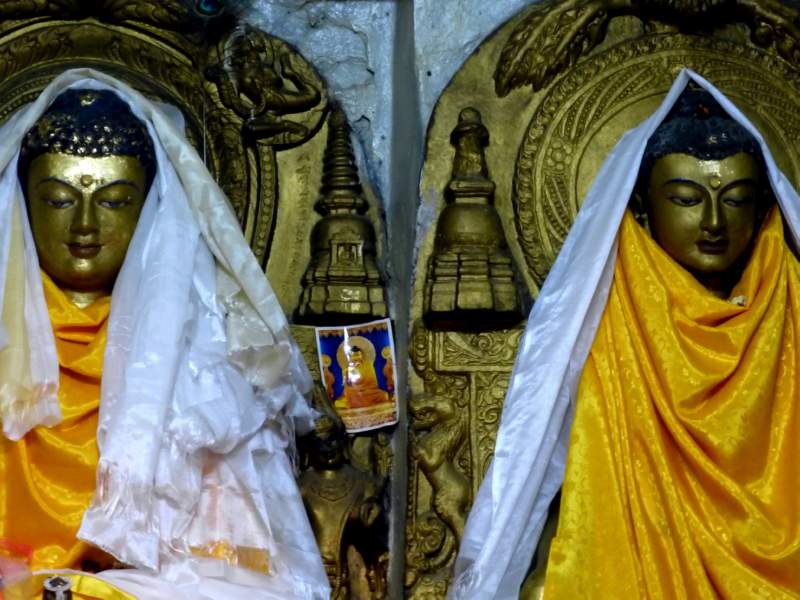
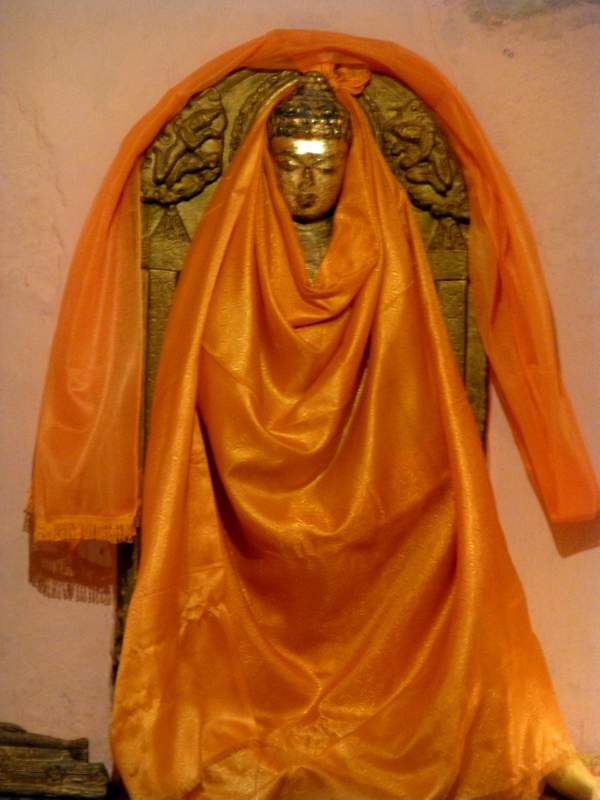
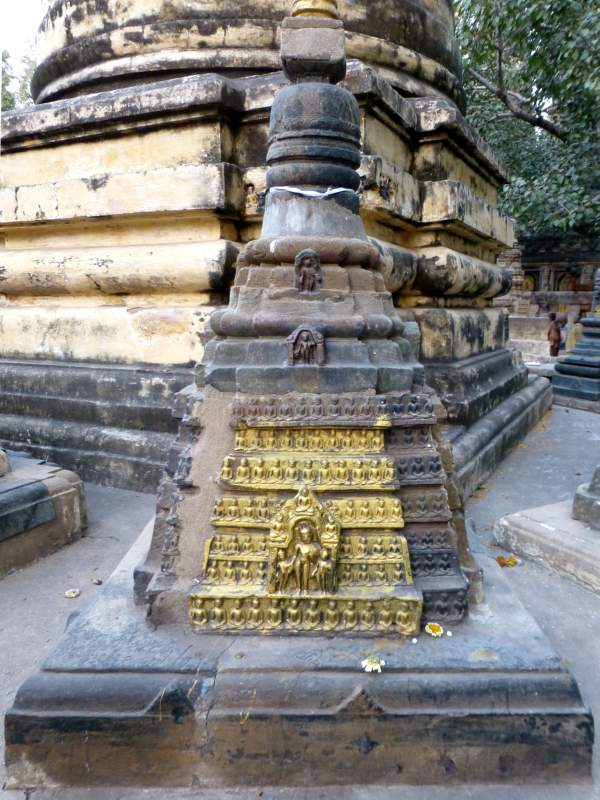
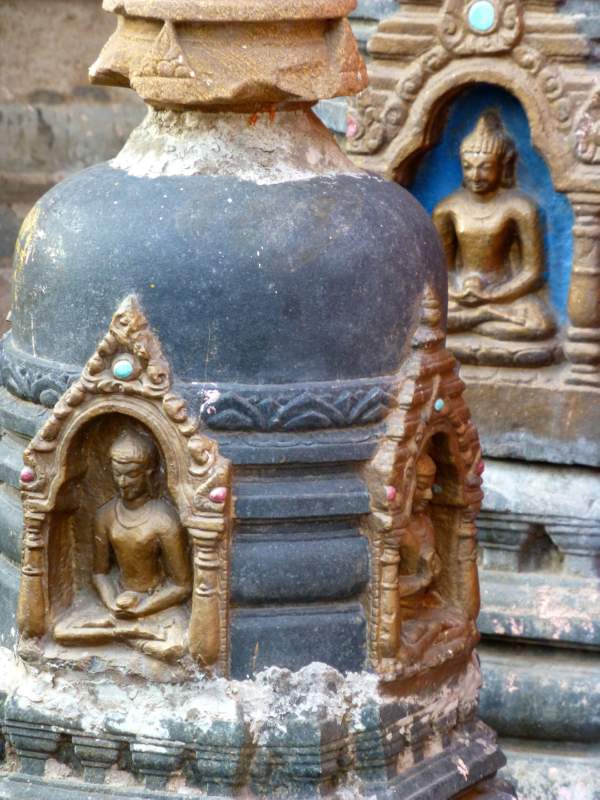
Main Image Close Up at Mahabodhi Temple Bodhgaya
Main Image Close Up, at the Mahabodhi Temple, Bodhgaya
Photo: Anandajoti Bhikkhu (https://photodharma.net/)


The sacred Mahabodhi Temple at Bodh Gaya is one of the most important Buddhist pilgrimage places in the world. It marks the holy spot where Prince Siddhartha attained Enlightenment under the Bodhi Tree and became the Buddha. For more than two thousand years, this sacred place has been attracting monks, scholars, devotees and travellers from many parts of Asia and the world. Even today, the temple complex stands as a strong symbol of peace, meditation and spiritual awakening.

Mahabodhi Temple is located at Bodh Gaya in Gaya district of Bihar, India, on the banks of the river Phalgu. It is about twelve kilometres from Gaya city and is well connected by road, rail and air through Gaya International Airport. Over the years, the surrounding area has grown into an important international Buddhist township. Many countries such as Sri Lanka, Thailand, Myanmar, Japan, Bhutan and Tibet have built their monasteries here. Still, the calm and peaceful atmosphere around the temple continues to attract pilgrims just like in ancient times.

Today, Mahabodhi Temple remains one of the most active Buddhist pilgrimage destinations in the world. It has been recognised as a UNESCO World Heritage Site, which has increased its global importance and protection. Throughout the year, thousands of international visitors, monks and meditation practitioners come here to offer prayers and practise meditation under the descendant of the original Bodhi Tree. During the winter season, especially from November to February, the temple complex becomes very lively with pilgrims from many different Buddhist countries.

From the pilgrim’s point of view, Bodh Gaya holds the highest place among the four main holy sites connected with the life of the Buddha. Many devotees believe that visiting this sacred place is a once-in-a-lifetime spiritual achievement. The presence of international monasteries, continuous circumambulation by devotees, and prayers in many languages clearly show its worldwide importance. Today, the Mahabodhi Temple is not only an ancient historical monument but also a living centre of global Buddhism, where the sacred past and living devotion come together in a unique and inspiring way.
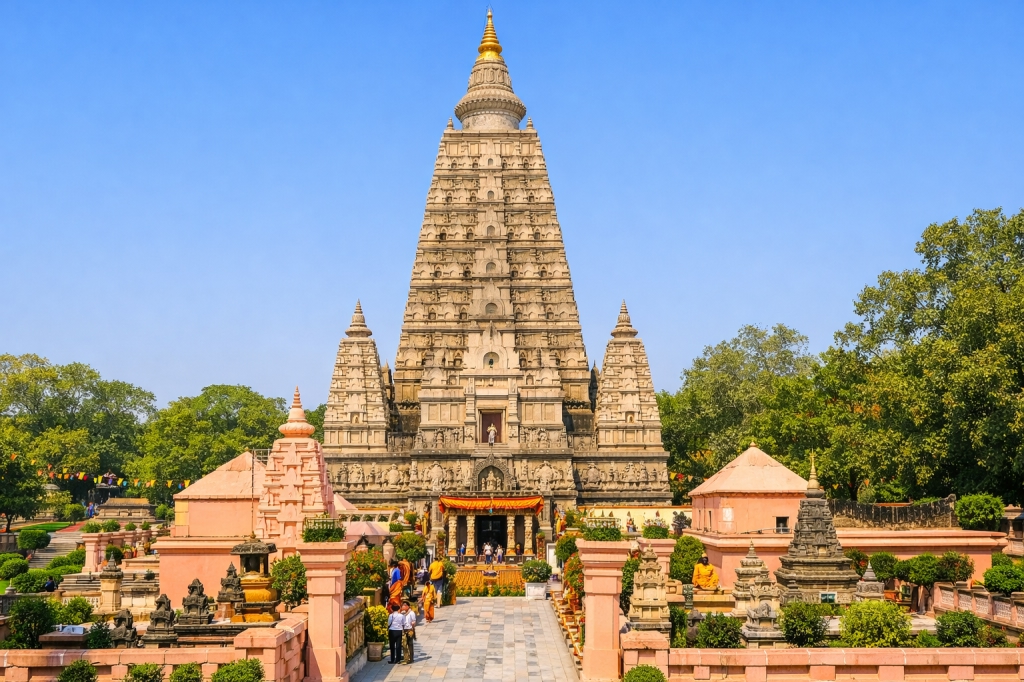
Mahabodhi Mahavihara

Early Historical References and Chinese Pilgrims

The earliest written descriptions of Bodh Gaya come from Chinese Buddhist travellers. The monk Faxian visited India in the early fifth century CE. He briefly mentioned the sacred places connected with the life of the Buddha, including the Enlightenment site. His account proves that the shrine at Bodh Gaya was already an established pilgrimage centre by that time.

Much more detailed information comes from the famous seventh-century traveller Xuanzang. He described a tall temple near the Bodhi Tree, surrounded by monasteries and many sacred monuments. His measurements and observations match closely with the structure that still stands today. This shows that the main temple had already reached an impressive form by the early medieval period.

These pilgrim accounts are extremely valuable because they help historians understand the development of the site through time.

The Mauryan Period and the Vajrasana

Buddhist tradition strongly connects the earliest shrine at Bodh Gaya with Emperor Ashoka in the third century BCE. Archaeological discoveries support this tradition.

Under the later temple structures lies the polished sandstone Vajrasana. This stone throne was placed directly under the Bodhi Tree to mark the Buddha’s seat of Enlightenment. The style of polishing and workmanship clearly belongs to the Mauryan period.

Fragments of an early stone railing with Brahmi inscriptions of Mauryan type were also found at the site. These discoveries strongly suggest that a formal shrine existed here during Ashoka’s reign.

Interestingly, the Vajrasana is slightly misaligned with the later brick temple. This indicates that the earliest shrine had a different layout and that later builders expanded the complex while carefully preserving the sacred centre.
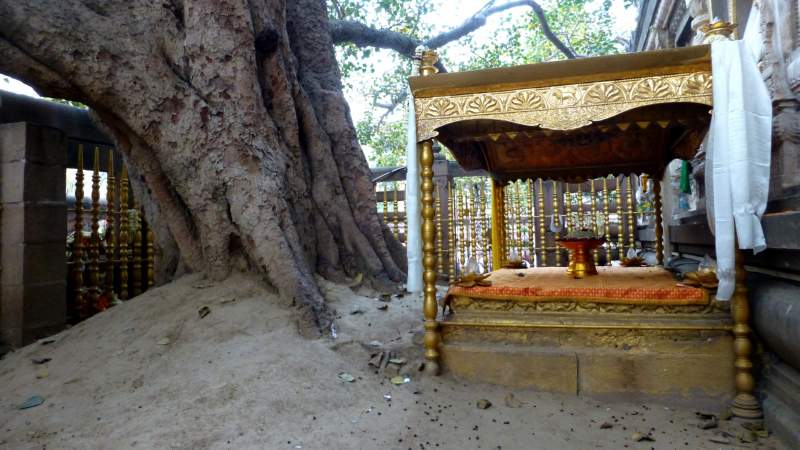
Bodhgaya Mahabodhi Vajrasan
Seat of Awakening and Bodhi Tree, at the Mahabodhi Temple, Bodhgaya
Photo: Anandajoti Bhikkhu (https://photodharma.net/)

Buddha’s Walk (Chankramana)

On the northern side of the temple is a raised terrace traditionally known as the Buddha’s Walk. According to Buddhist belief, the Buddha walked here in meditation during the week after his Enlightenment.

Excavations revealed rows of pillar bases that once supported a covered walkway. Some bases have single Brahmi letters, probably used as mason’s marks during construction. The direction of this ancient walkway differs slightly from the later enclosure walls, which shows that the sacred area was enlarged in different phases.

This terrace is an important feature because it preserves memories of early devotional traditions connected with the Buddha’s first week after Enlightenment.
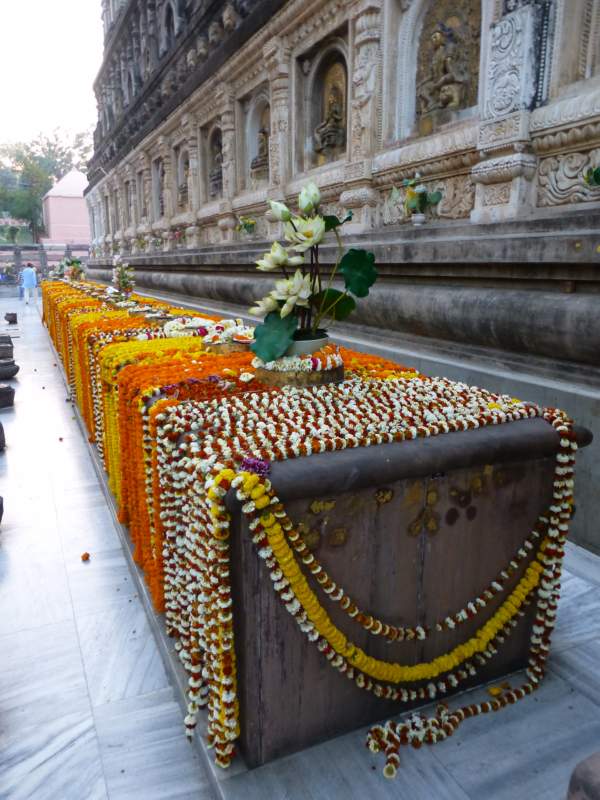
Bodhgaya Mahabodhi Cankama
Cankama from West, at the Mahabodhi Temple, Bodhgaya
Photo: Anandajoti Bhikkhu (https://photodharma.net/)

The Ancient Stone Railing

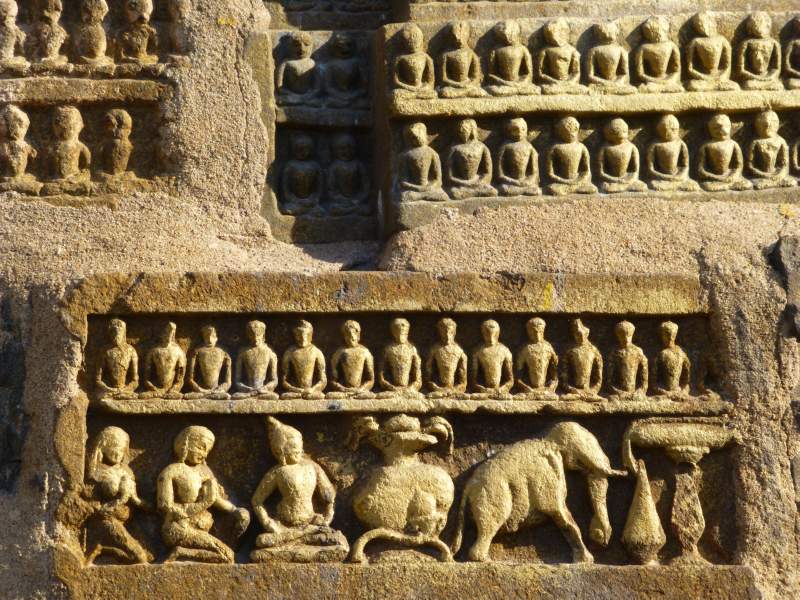
One of the oldest surviving elements at Bodh Gaya is the beautifully carved stone railing that once surrounded the Bodhi Tree. The railing pillars and crossbars display lotus medallions, sacred trees, animals and yakshi figures.

A very important point is that the Buddha is not shown in human form in these early carvings. Instead, symbols like the Bodhi Tree and empty throne represent him. This reflects the early aniconic phase of Buddhist art.

Several inscriptions on the railing record donations made by devotees. Some donors came from far-off regions, including Tambaparna (ancient Sri Lanka). This clearly proves that Bodh Gaya had already become an international pilgrimage centre at an early date.

The artistic style of the railing closely resembles that of the Bharhut Stupa, placing it among the earliest examples of Buddhist stone sculpture in India.
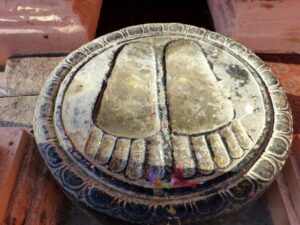
Bodhgaya Mahabodhi Siripada
Siripada (Buddha’s Footprints), at the Mahabodhi Temple, Bodhgaya
Photo: Anandajoti Bhikkhu (https://photodharma.net/)


The Great Brick Temple

The tall brick temple that dominates Bodh Gaya today was constructed in the early centuries of the Common Era. The structure rises in a pyramidal form to a height of about 160–170 feet. Its square base and gradually narrowing tower represent one of the earliest surviving examples of large brick temple architecture in India.

Evidence suggests strong royal patronage during the Kushan period. Sculptural and inscriptional finds connected with the reign of Huvishka indicate active support for the shrine during the second century CE.

Inside the sanctum, the seated Buddha image is placed directly above the Vajrasana, maintaining the uninterrupted sacred focus of the site.
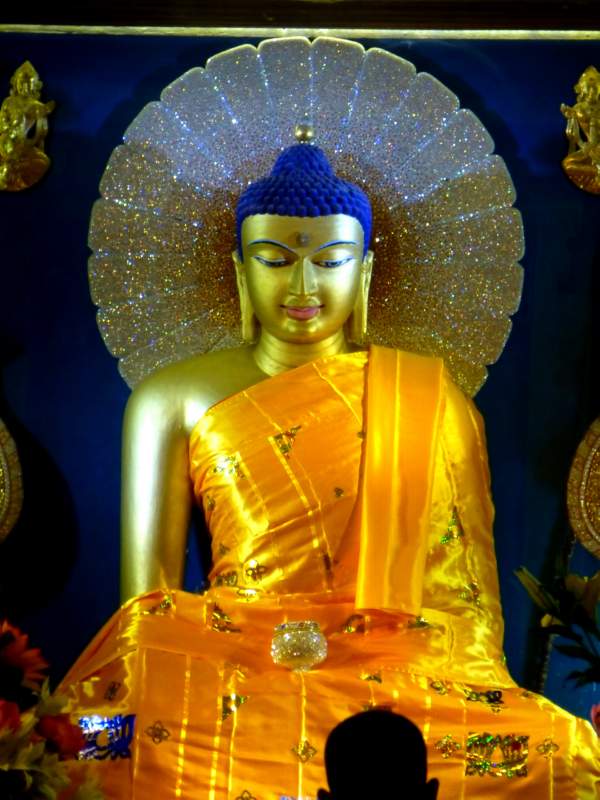
Main Image at the Mahabodhi Temple Bodhgaya
Main Image, at the Mahabodhi Temple, Bodhgaya
Photo: Anandajoti Bhikkhu (https://photodharma.net/)

Later Repairs and Medieval History

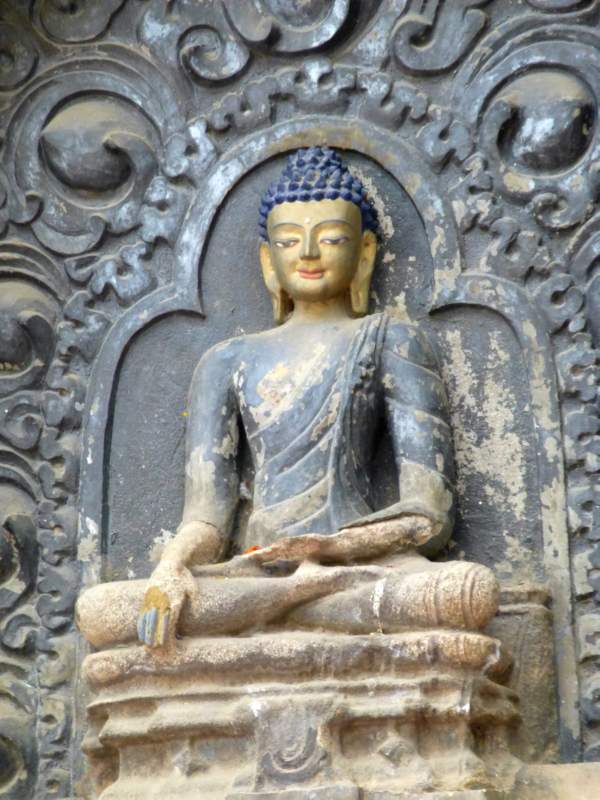
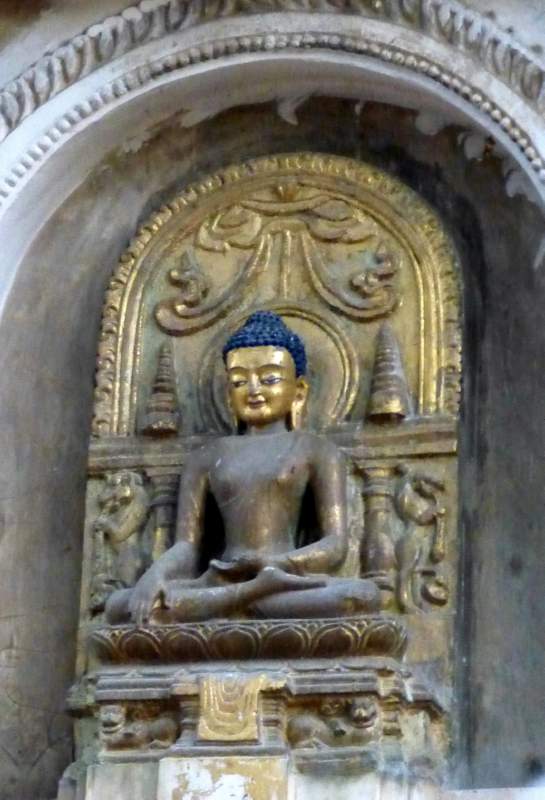
The Mahabodhi complex did not remain unchanged. Over the centuries, many repairs and additions were carried out. The original railing enclosure was enlarged significantly. New sculptural niches were added to the temple tower, and damaged portions were repaired.

The Bodhi Tree itself faced destruction in the early medieval period, traditionally attributed to King Shashanka. However, the tree was replanted and the site quickly revived.

In later centuries, pilgrims and rulers from Sri Lanka, Burma and other Buddhist countries sponsored further restorations. Their contributions helped preserve the temple even during times when Buddhism declined in northern India.
The Bodhi Tree: Spiritual Centre of the Complex

The Bodhi Tree, scientifically known as Ficus religiosa, remains the spiritual heart of the Mahabodhi complex. Although the original tree did not survive continuously, its sacred lineage has been carefully maintained through replanting.

The Vajrasana beneath the tree symbolizes the unshakable centre of Enlightenment. All architectural planning of the temple complex revolves around this holy spot. Stone pavements, railings and shrine alignments all emphasize its importance.
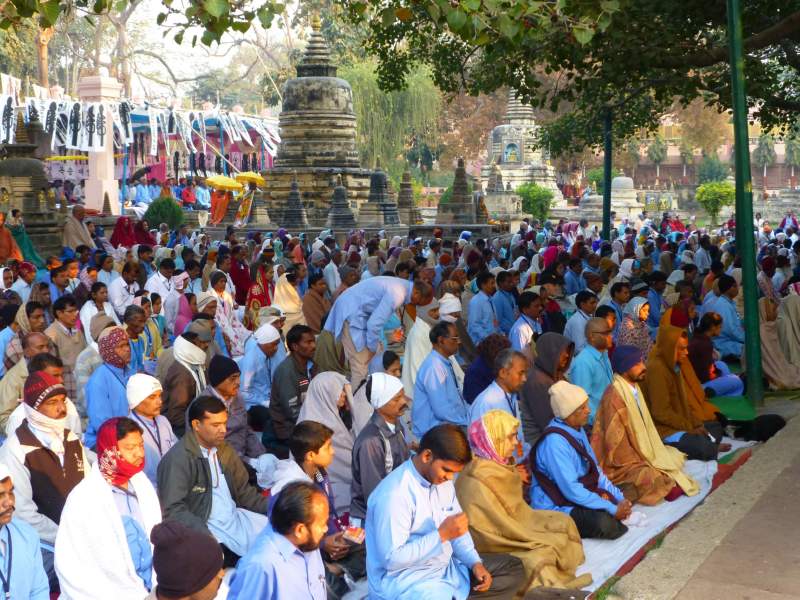
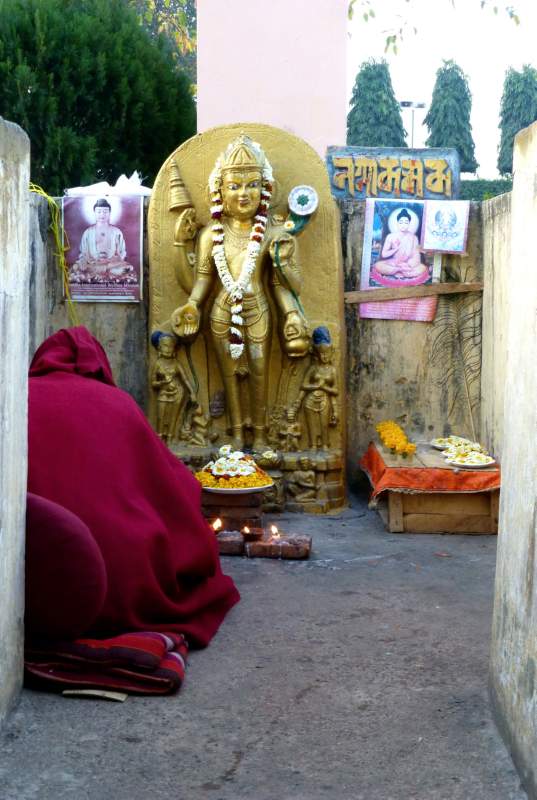
Bodhgaya Mahabodhi Meditating
Indians Meditating, at the Mahabodhi Temple, Bodhgaya
Photo: Anandajoti Bhikkhu (https://photodharma.net/)


The Toran Gateway and Crowded Courtyard

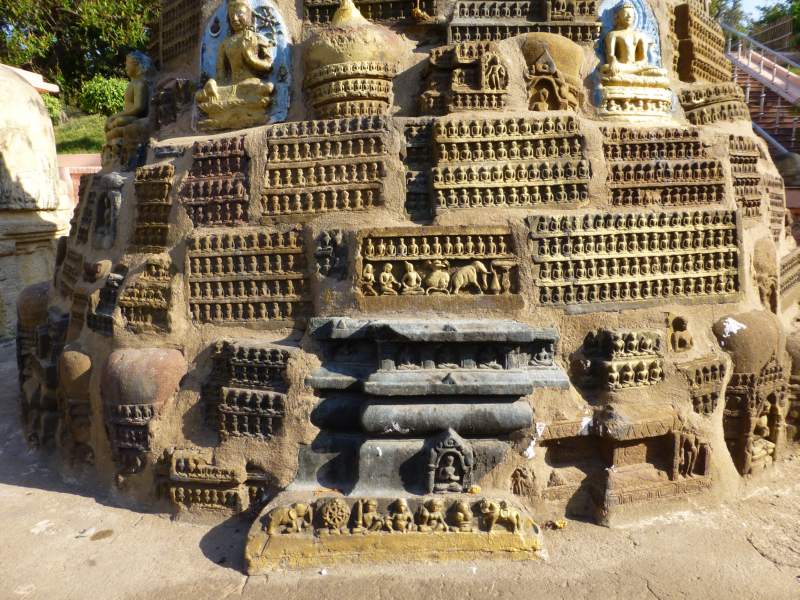
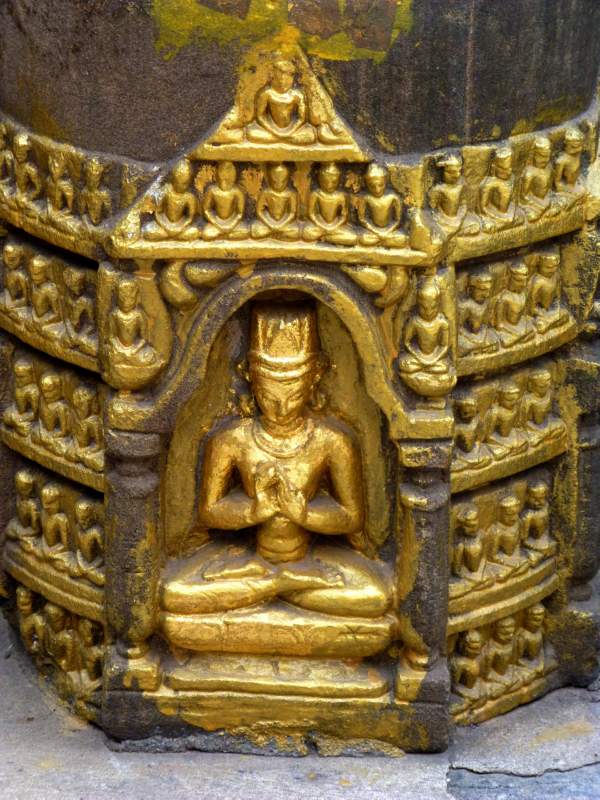
The eastern entrance of the temple once had a grand gateway leading into a courtyard filled with religious monuments. Archaeological clearing revealed hundreds of stupas and small shrines built over many centuries.

Historical accounts that the monuments stood extremely close to each other are confirmed by the physical remains. Many of these structures were erected by foreign pilgrims as acts of devotion.

The courtyard gives a vivid picture of Bodh Gaya as a living pilgrimage centre visited by Buddhists from across Asia.
 

Monuments Outside the Main Enclosure

Outside the main temple walls are the remains of a large monastic complex known as the Mahabodhi Sangharama. Brick foundations and structural remains show that it was once an important monastery serving resident monks and visiting pilgrims.

Several copper plates, clay seals and reliquary objects have been discovered here. Many of these bear Buddhist creed formulas and donor inscriptions, providing valuable historical information about religious activities at the site.

Votive Stupas

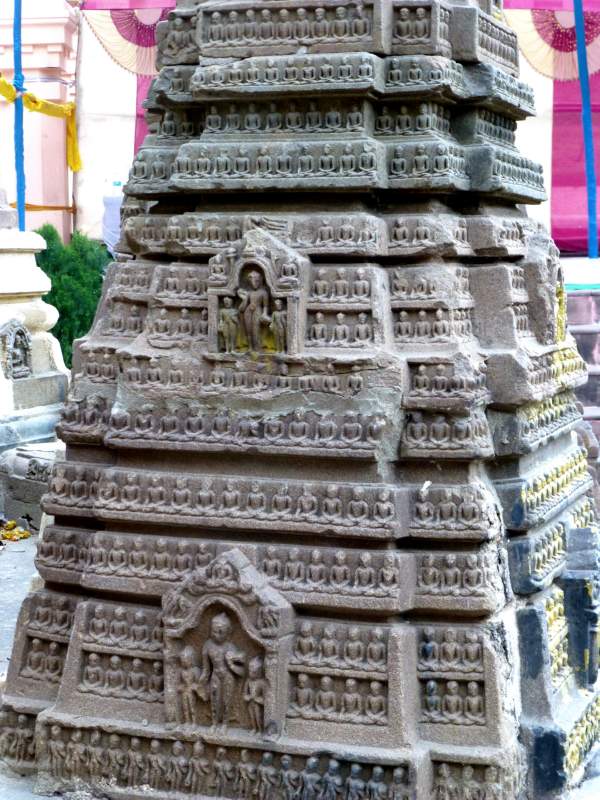
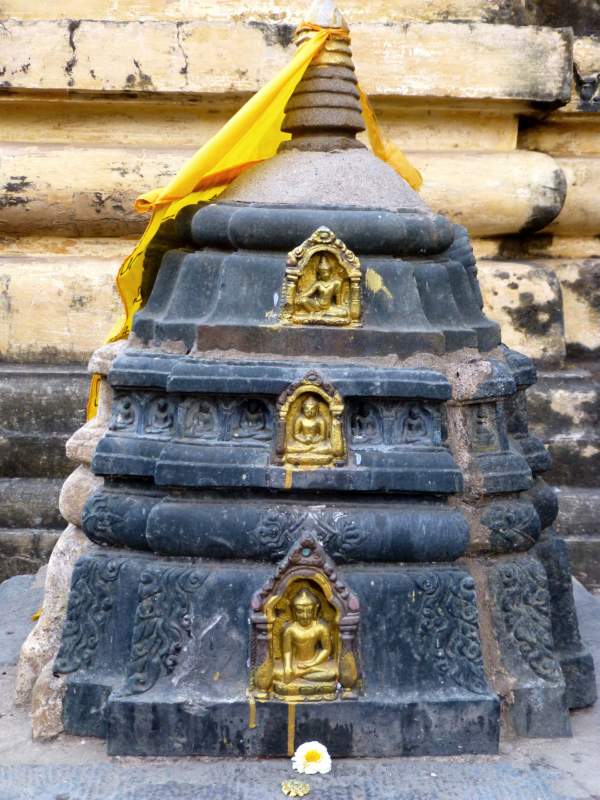
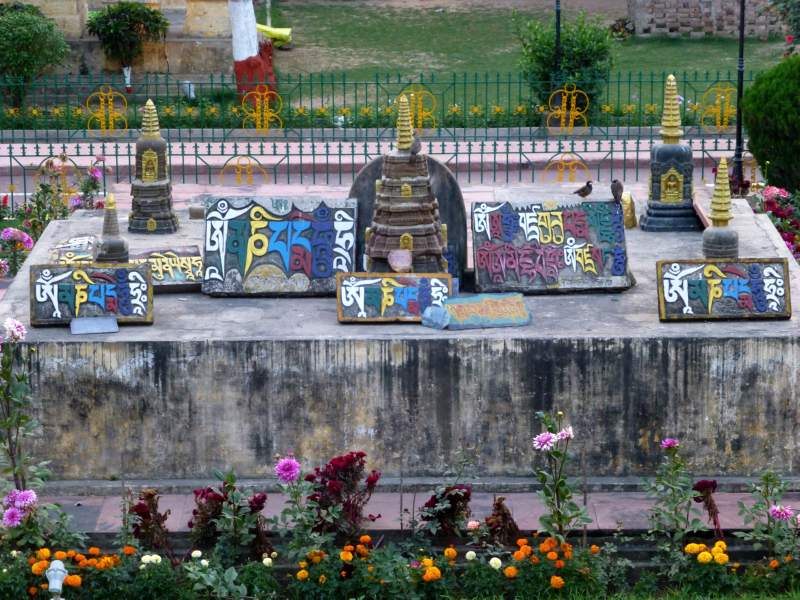
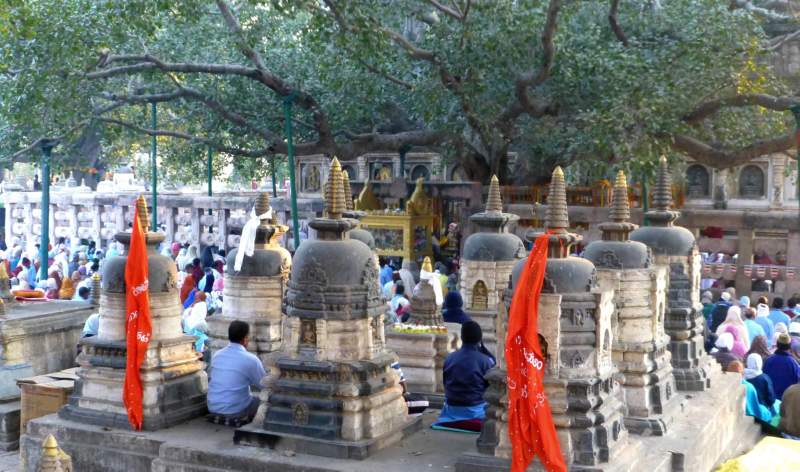
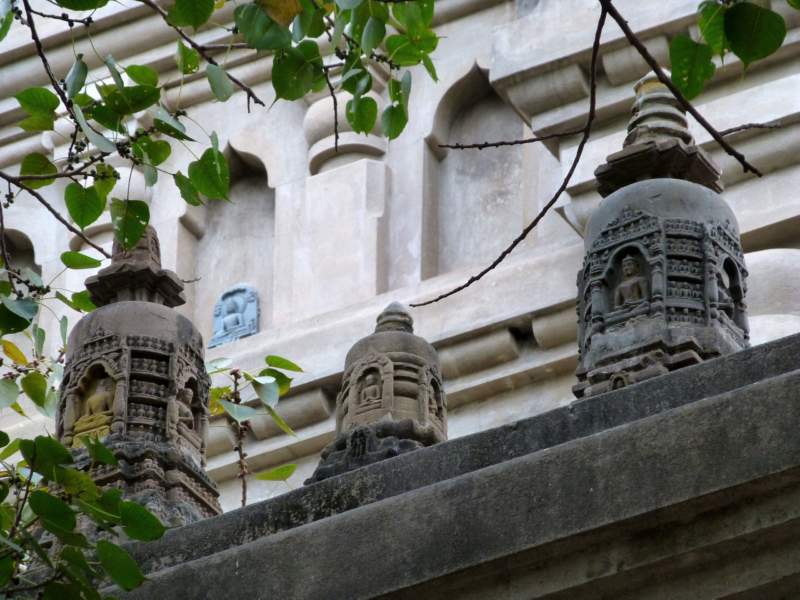
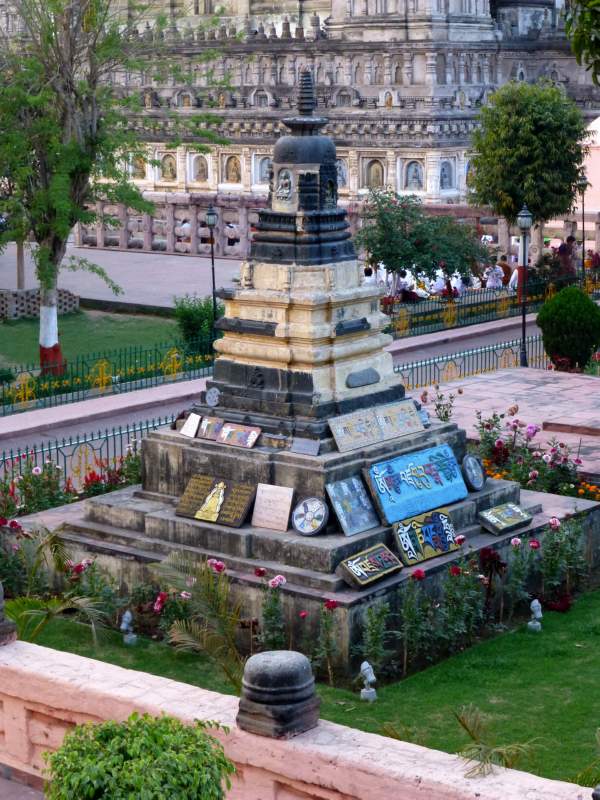
One of the most remarkable features of Bodh Gaya is the huge number of votive stupas found around the temple. These range from large stone monuments to very small clay models deposited by pilgrims.

Many of the clay stupas contained seals impressed with the Buddhist creed. Some inscriptions run into many lines, showing the devotional enthusiasm of the pilgrims.

The changing shapes and decorative styles of these stupas help historians trace the artistic development of Buddhist architecture over many centuries.
Sculptural Remains

The sculptures found at Mahabodhi show a clear artistic evolution. The earliest phase is represented by symbolic railing carvings. Later periods introduced full human images of the Buddha.

Many important statues belong to the Kushan and Pala periods, when eastern India became a major centre of Buddhist art. The materials used also changed over time, from sandstone in early phases to granite and later finely worked basalt.

These sculptures provide important evidence for the changing visual culture of Buddhism.
Muchalinda Lake

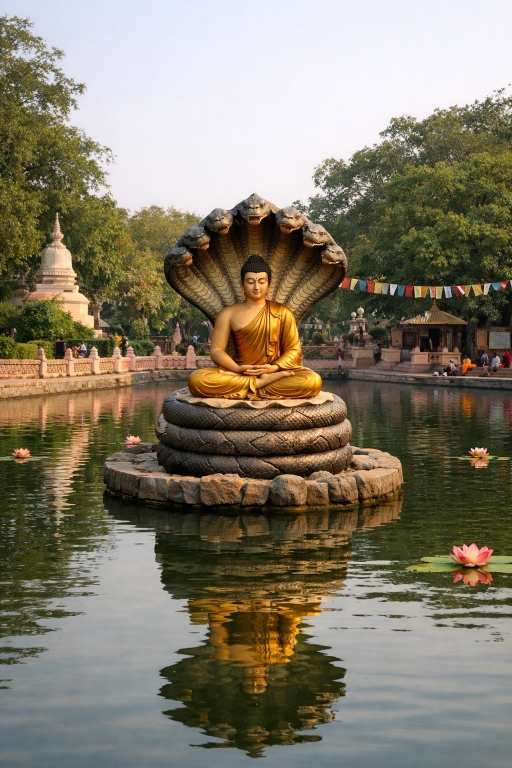
Another important sacred spot near the Mahabodhi Temple is the Muchalinda Lake, situated close to the main temple complex. This peaceful water tank is deeply connected with one of the most well-known post-Enlightenment traditions of the Buddha.

According to Buddhist belief, during the sixth week after attaining Enlightenment, the Buddha was meditating near this spot when a severe storm arose. At that time, the serpent king Muchalinda is said to have emerged from the lake and protected the Buddha by spreading his multi-hooded cobra hood over him and coiling his body to form a protective seat. Because of this sacred association, the lake came to be known as Muchalinda Lake.

Today, the site is marked by a beautiful statue of the Buddha seated in meditation under the shelter of the serpent king. The calm surroundings of the lake make it one of the most visited and spiritually significant locations within the Bodh Gaya sacred landscape. Pilgrims often spend time here in quiet reflection, remembering the symbolic protection of the Enlightened One.
Buddha in Muchalinda Lake


The Inscriptions of Bodh Gaya

The inscriptions discovered at Bodh Gaya form a long and continuous historical record. They begin with early Brahmi inscriptions and continue through Kushan, Gupta, medieval, Chinese and Burmese records.

These inscriptions mention donors, monks, kings and foreign pilgrims. Together they clearly show that Bodh Gaya remained an active and respected pilgrimage centre for more than a thousand years. 

Timeline of The Mahabodhi Mahavihara, Bodhgaya

Period / YearEventDetails
531 – 528 BCEEnlightenment of the BuddhaSiddhartha Gautama attained Enlightenment under the Bodhi Tree at Uruvela (present-day Bodhgaya) on the banks of the Neranjana (Falgu) River. He spent 7 weeks meditating at nearby sacred spots.
250 BCEVisit of Emperor AshokaAshoka visited in his 11th regnal year. He built the first Mahabodhi Vihara, installed the Vajrasana (Diamond Throne), built a 10-ft wall around the Bodhi Tree, and constructed stupas marking the 7 weeks of meditation.
100 BCEFirst Recorded Foreign VisitorSinhalese monk Culla Tissa visited the Mahavihara (as per Bodhirakshita inscription).
140 CEKushan Period DonationsKing Huvishka donated gold, silver coins and jewellery. His inscription is found near the Vajrasana.
399–409 CEVisit of FaxianThe Chinese monk gave one of the earliest detailed descriptions of the Mahavihara and monastic life.
4th Century CESri Lankan Monastery BuiltKing Meghavanna of Sri Lanka built a grand monastery north of the Mahavihara, which became a major centre of Buddhist learning.
518–531 CESri Lankan Royal ConnectionKing Silakala of Sri Lanka spent his youth as a novice monk here.
Circa 600 CEAttack by King ShashankThe Bodhi Tree was cut and Buddha images damaged.
Early 7th Century CEProtection by King PurnavarmanRebuilt protective wall (20 ft high) around Bodhi Tree and safeguarded Vajrasana.
637 CEVisit of XuanzangDescribed a 170-ft tall temple, 1000 monks, gold and silver statues, high boundary walls and flood damage from Falgu River.
7th Century CEVisit of YijingMentioned agricultural donations from nearby villages to support monks.
964 CEChinese PilgrimageAround 300 Chinese monks visited Bodhgaya.
1011 CEOrdination of AtishaThe great Buddhist master Atisha studied Vinaya here before travelling to Sumatra and Tibet.
1035–1079 CEBurmese RenovationBurmese kings carried out major repairs and donated gold and jewels.
1084–1113 CEDonation by King KyanzitthaSent shiploads of jewels and precious stones for temple maintenance.
1230 CENew Monasteries BuiltKing Ashokvalla (Nepal region) and King Purushottamsingha built monasteries at Bodhgaya.
1234 CETibetan RecordTibetan monk Dharmaswamin found 300 Sri Lankan monks studying at Mahabodhi.
1262 CESri Lankan DonationKing Jayasena funded repairs and donated land.
1298 CEBurmese RepairsKing Dharmasena arranged restoration works.
1471 CEMajor RestorationKing Dhammachetiya of Burma sent monks, masons and artists for repairs.
16th Century CELast Indian Monk VisitBuddhagupta visited Bodhgaya. After this period, decline began.
17th Century CEControl by MahantA Shaivite ascetic took control. Buddha statues were converted into Hindu deities. Temple maintenance declined.
1790 CEBritish Artists VisitWilliam and Thomas Daniell sketched the temple’s ruined condition.
1811–12 CESurvey by Francis BuchananDocumented severe deterioration and misuse of temple materials.
1847 CEDiscovery of Ashokan RailingsCaptain Markham Kittoe unearthed the ancient railings.
1861 CEExcavation OrderedAlexander Cunningham directed major excavation works.
1880 CEMajor Restoration BeginsStructural restoration of the Mahabodhi Mahavihara started under British administration.
1886 CERevival EffortsSir Edwin Arnold raised awareness internationally for restoration and revival of Buddhist control.

Mahabodhi Mahavihara: Present Status and the Continuing Bodhgaya Dispute

Present Administrative Status

The Mahabodhi Mahavihara at Bodhgaya is presently governed under the Bodhgaya Temple Act 1949 enacted by the Government of Bihar. This Act created a statutory management system for the temple through the Bodhgaya Temple Management Committee. The committee consists of four Hindu members, four Buddhist members, and the District Collector of Gaya serving as Chairman. Earlier, the law required the Chairman to be a Hindu, but this clause was removed by an amendment in 2013. Even after this change, the basic joint management structure of Hindus and Buddhists continues.

Nature of the Continuing Issue

The Mahabodhi Mahavihara is universally acknowledged as the place where the Buddha attained Enlightenment and is archaeologically and historically recognised as a Buddhist monument. It is one of the most sacred pilgrimage centres for Buddhists across the world and was declared a World Heritage Site by UNESCO in 2002. Despite this status, the temple is not exclusively administered by Buddhists. This situation has remained the central point of debate for more than a century, as many Buddhist organisations believe that the management of the Enlightenment site should rest fully with the Buddhist community.

Beginning of the Modern Movement

The modern struggle for Buddhist control began in 1891 under the leadership of Anagarika Dharmapala, the founder of the Maha Bodhi Society. When Dharmapala visited Bodhgaya, he observed severe neglect of the temple and reported that many Buddha images were damaged, misused, or treated without proper reverence. According to his accounts, Buddhist monks sometimes faced obstruction while performing worship. These experiences motivated him to launch a long legal and public campaign to restore Buddhist rights over the Mahabodhi Temple.

Early Court Proceedings

In 1895, Dharmapala approached the court of the Gaya District Magistrate seeking protection of Buddhist worship rights. The lower court initially found certain individuals associated with the Mahant guilty under sections of the Indian Penal Code relating to disturbance of religious worship. However, on appeal, the Calcutta High Court set aside the decision, which weakened the immediate legal position of the Buddhist movement. Even so, the issue had by then gained national and international attention.

Support During the National Movement

During the early twentieth century, the question of Bodhgaya attracted sympathy from several prominent Indian leaders and intellectuals. Figures such as Mahatma Gandhi, Rabindranath Tagore, and Rajendra Prasad expressed moral support for a just settlement of the issue. Although discussions took place and resolutions were passed in various forums, no decisive administrative change occurred during the colonial period. Anagarika Dharmapala continued his efforts until his death in 1933.

Post-Independence Legislative Settlement

After India became independent, the Government of Bihar enacted the Bodhgaya Temple Act in 1949 in an attempt to resolve the long-standing dispute. The Mahant formally handed over control of the temple complex in 1953. While the Act ensured legal protection of the monument and introduced shared management, many Buddhist groups felt that the arrangement did not fully address their demand for exclusive custodianship of the Enlightenment site. The provision allowing Hindu representation in the committee became the main point of continuing disagreement.

International Recognition and Heritage Status

The global importance of the Mahabodhi Temple Complex was formally acknowledged when UNESCO inscribed it as a World Heritage Site in 2002. UNESCO recognised the site as one of the four principal places associated with the life of the Buddha, particularly marking the attainment of Enlightenment. This recognition strengthened international awareness but did not alter the statutory management structure created by the 1949 Act.

Recent Legal and Constitutional Developments

In 2012, a public interest litigation challenged the provision that required the District Collector serving as Chairman to be a Hindu. In response, the Bihar Government amended the law in 2013 and removed the religious qualification for the Chairman. However, the equal representation of Hindu and Buddhist members in the management committee remained unchanged. The constitutional question often raised in discussions refers to Article 26 of the Indian Constitution, which guarantees religious denominations the right to manage their own religious affairs.

Ongoing Buddhist Demands

From the late twentieth century to the present, several Buddhist monks and organisations have continued peaceful advocacy for amendment of the Bodhgaya Temple Act. Among the prominent voices have been Bhikkhu Arya Nagarjun Surai Sasai and Bhikkhu Anand Mahathero. Various representations have been made to state and central authorities seeking either amendment or repeal of the Act so that the temple may be administered exclusively by Buddhists. In 2005, the National Commission for Minorities also recommended reconsideration of the management structure, but no major structural change has yet been implemented.

Present Ground Reality

Today the Mahant no longer exercises direct control over the Mahabodhi Mahavihara. The temple functions under the statutory committee created by the Bodhgaya Temple Act of 1949. Hindu members continue to have representation in the management body alongside Buddhist members. While the temple itself is well preserved and internationally recognised, the question of its ideal administrative model remains a sensitive and periodically debated issue among stakeholders.

The Ongoing Agitation: A Nationwide Movement

The demand for “liberation” of the Mahabodhi temple has sparked a sustained, nationwide campaign, bringing together diverse Buddhist groups.

  • Mobilization and Protests: The movement, often called the Mahabodhi Mahavihara Mukti Andolan (Liberation Movement), has been organizing protests across the country . These have included sit-in protests (dharnas) in Bodh Gaya itself, such as one organized by the Ladakh Buddhist Association in January 2026 , and a candlelight march in Agartala, Tripura, in January 2026 demanding the act’s repeal . A large-scale ‘Bodh Gaya liberation movement’ event is planned in Delhi for February 12, 2026 .

  • Key Organizations and Leaders: The movement is spearheaded by groups like the All India Buddhist Forum (AIBF) . Prominent leaders include monks like Bhante Vinacharya, who leads the Mahabodhi Mahavihara Mukti Andolan , and Akash Lama, All India General Secretary of the AIBF .

  • Hunger Strikes: The protesters’ resolve is highlighted by the fact that Buddhist monks and supporters at Bodh Gaya have been observing an indefinite hunger strike since February 12, 2025 .

In a major development, the Supreme Court has scheduled the final hearing for this long-standing case on April 28, 2026 . The court has set a strict timeline for the filing of affidavits and written arguments, indicating a decisive step toward a resolution. Activists have welcomed this timeline as a crucial step forward

References

  • Alexander Cunningham: Mahabodhi or The Great Buddha Temple Under the Bodhi Tree at Bodhgaya
  • Anagarika Dhammapal: The Budh-Gaya Temple Case: H. Dharmapala versus Jaipal Gir and Others

Photo Credits

Some photographs in this article are courtesy of Venerable Anandajoti Bhikkhu
(PhotoDharma – https://photodharma.net/).

Remaining photographs are by the author.

Leave a Reply

Your email address will not be published. Required fields are marked *