Ancient Buddhist Caves of Maharashtra –
A Rich Legacy of Art, Faith and Culture
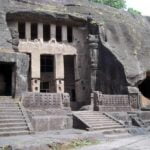
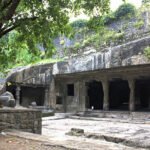
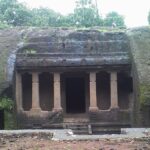
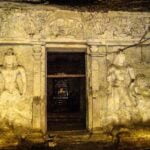
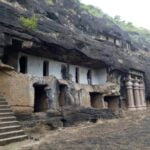
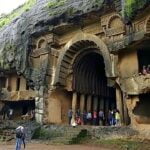
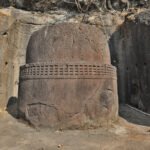
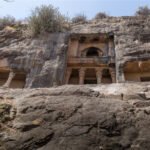
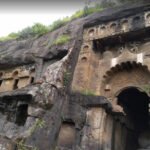
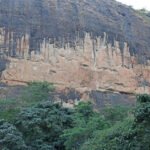
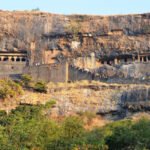
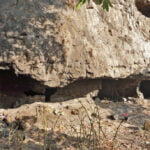
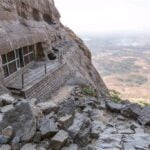
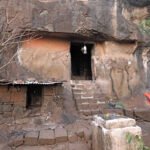
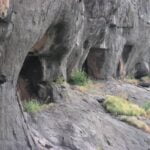
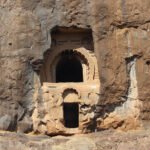
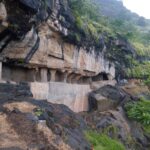
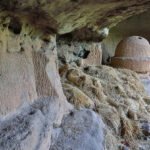
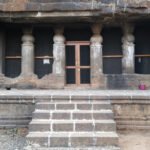
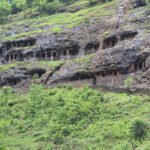
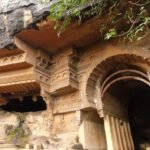
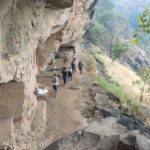
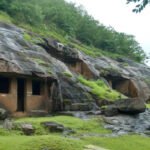
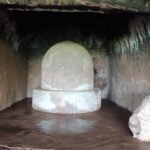
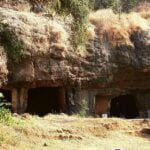
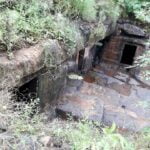
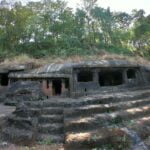
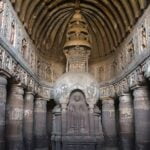
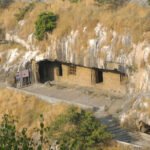
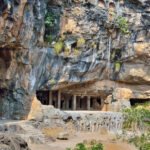
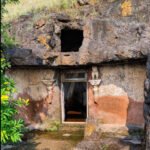
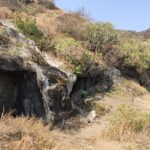
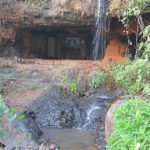
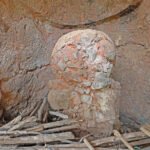
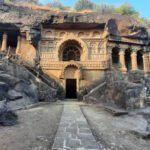
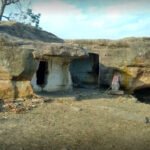
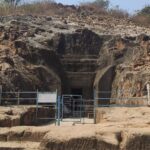
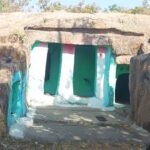
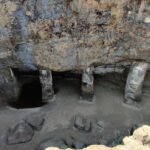
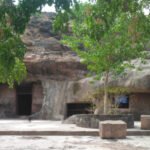
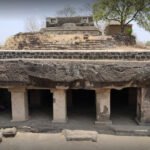
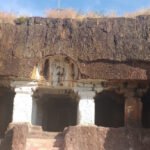
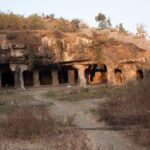
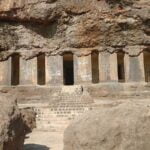
Maharashtra has a long and rich history of Buddhist caves dating back to ancient times. These caves were carved out of rock and served as places of worship and meditation for Buddhist monks and followers. The state is home to several important Buddhist cave complexes, including Ajanta, Ellora, Karla, Bhaja, Bedse, Kanheri, and Junnar. These caves belong to different periods of Indian history and showcase the deep cultural and historical heritage of Buddhism in India. Today, they are significant cultural and historical sites that attract tourists and scholars from all over the world.
In ancient times, trade played an important role in the development of Buddhist caves in Maharashtra. Because of its location along the western coast of India, Maharashtra was a major centre of trade and commerce. Trade routes from the Arabian Sea and the Deccan Plateau passed through Maharashtra, connecting India with other parts of the world.
Many of Maharashtra’s Buddhist caves were built along these trade routes, and several of them served as important centres of trade and commerce. Traders and merchants used these caves during their journeys. The caves provided them with a safe and convenient place to rest and take shelter during long travels. They also became hubs for trade and exchange of goods, ideas, and information.
For example, the Ajanta Caves were located near an ancient trade route that connected the Deccan Plateau with the ports of Gujarat. Similarly, the Ellora Caves were also situated along a major trade route and functioned as a centre of trade and commerce in ancient times. The Buddhist caves at Ellora were created during the rule of the Rashtrakuta dynasty, which controlled a large part of western India and had strong connections with the Arab world. These caves served as meeting points where traders and merchants from India, Arabia, and other parts of the world exchanged goods and ideas.
The Buddhist caves of Maharashtra also played a key role in spreading Buddhist teachings and philosophy. The monks and followers living in these caves dedicated their lives to the practice of Buddhism and shared their knowledge and insights with others. The caves became centres of learning where people could come to study the teachings of the Buddha and develop their spiritual practice.
One of the most famous Buddhist cave sites in Maharashtra is Ajanta, which dates back to the 2nd century BCE. The Ajanta complex consists of 29 rock-cut caves beautifully decorated with intricate paintings and sculptures depicting scenes from the life of the Buddha and various Buddhist legends. These caves were abandoned around the 7th century CE and were later rediscovered in the 19th century by British colonial officers.
Another major Buddhist site is the Ellora Caves, built between the 6th and 10th centuries CE. Ellora has 34 rock-cut caves carved from volcanic rock, representing India’s three major religions — Buddhism, Brahmanism, and Jainism. The Buddhist caves at Ellora feature detailed carvings and sculptures of the Buddha and various Bodhisattvas.
Other Buddhist cave complexes in Maharashtra include the Karla, Bhaja, Bedse, Kanheri, and Junnar caves. These sites belong to different historical periods and represent diverse styles of Buddhist art and architecture.
Overall, the Buddhist caves of Maharashtra were not only centres of spiritual and cultural significance but also played a vital role in the artistic, architectural, and philosophical development of ancient India. They were important for trade and commerce as well. These caves stand as a testament to India’s rich cultural heritage and continue to remain important spiritual and historical landmarks even today.
At present, these Buddhist caves of Maharashtra are major cultural and historical sites attracting tourists and researchers from all over the world. They offer a glimpse into the rich history and culture of Buddhism in India and stand as living evidence of the architectural and artistic achievements of ancient Indian civilization.
The Ajanta Caves, with their exquisite paintings and sculptures, are a UNESCO World Heritage Site and one of the most visited tourist attractions in India. Located in the Aurangabad district of Maharashtra, the caves attract thousands of visitors every year who come to admire their artistic beauty and spiritual depth.
Similarly, the Ellora Caves, with their unique rock-cut temples and monasteries, are also a UNESCO World Heritage Site and a popular tourist destination. The caves represent the coexistence of three major religions — Buddhism, Brahmanism, and Jainism — and stand as a symbol of India’s religious and cultural diversity.
Apart from tourists, Maharashtra’s Buddhist caves also attract scholars and researchers from around the world who come to study and understand their historical and cultural significance. Experts in history, archaeology, art, and religion visit these caves to explore their architecture and their artistic and philosophical value.
With their deep spiritual and cultural significance, the Buddhist caves of Maharashtra remain an inseparable part of India’s glorious heritage. They continue to attract tourists and scholars globally and contribute greatly to promoting cultural and historical tourism in the country.
Mumbai